Love this? Save it for later!
Share the inspiration with your friends
Introduction
“I remember the first time I tried making mashed potatoes—it was a rainy Thursday evening, and honestly, I was a bit intimidated. The recipe I had found in a cluttered cookbook seemed simple enough, but my mashed potatoes turned out lumpy and dry. Then my neighbor, Mrs. Jensen, an elderly lady with a mischievous smile, overheard my kitchen despair and casually dropped by with a bowl of her famous creamy mashed potatoes. She showed me how she did it—no fancy gadgets, just some simple tricks and a bit of patience. That day, I learned that creamy easy mashed potatoes aren’t about fancy ingredients but about technique and a few humble staples.
Maybe you’ve been there—watching those fluffy clouds of mashed potatoes on TV or at a restaurant and wondering how anyone gets them just right. This recipe is my take on that old classic, crafted for beginners who want that perfect, velvety texture without the fuss. I mean, let’s face it, mashed potatoes should comfort you, not stress you out. So, let me tell you how this creamy easy mashed potatoes recipe became my go-to for weeknight dinners, holiday feasts, or whenever I just need a little kitchen hug.”
Why You’ll Love This Recipe
After testing dozens of mashed potato methods (and yes, dropping a few potatoes on the floor along the way), I’m confident this recipe is incredibly beginner-friendly and reliably delicious. Here’s why you’ll want to keep it bookmarked:
- Quick & Easy: Comes together in under 30 minutes—perfect for busy weeknights or those last-minute cravings when you forgot to make a side dish.
- Simple Ingredients: No need for specialty stores. You probably already have all these ingredients in your pantry or fridge.
- Perfect for Any Occasion: Whether it’s a cozy family dinner or a holiday potluck, these mashed potatoes fit right in.
- Crowd-Pleaser: Kids, adults, picky eaters—they all ask for seconds.
- Unbelievably Delicious: The creamy texture paired with buttery richness makes every bite pure comfort.
What makes this recipe stand out? It’s all about the technique. Instead of overworking or over-mashing, which can turn potatoes gluey, this method embraces a gentle hand and just the right amount of warm cream and butter. Plus, I share a little secret for getting that extra smooth texture—no fancy equipment required! Honestly, this isn’t just another mashed potato recipe; it’s the one I trust when I want to impress without stress.
What Ingredients You Will Need
This recipe uses simple, wholesome ingredients to deliver bold flavor and satisfying texture without the fuss. Most of these are pantry staples, and substitutions are easy if needed.
- Russet potatoes (about 2 pounds / 900 grams) – These starchy potatoes break down well for fluffy mashed potatoes.
- Unsalted butter (4 tablespoons / 60 grams, softened) – Adds richness and creaminess. I recommend using Land O Lakes or your favorite quality butter.
- Whole milk (1/2 cup / 120 ml, warmed) – For that smooth, creamy texture. You can substitute with half-and-half for extra indulgence or use almond milk for a dairy-free option.
- Salt (to taste) – Essential for seasoning. Kosher salt works best here.
- Freshly ground black pepper (to taste) – Adds a subtle kick.
- Optional: Garlic (1-2 cloves, minced) – If you want a hint of garlic flavor, sauté it lightly in butter before mixing.
- Optional: Sour cream or cream cheese (2 tablespoons) – For extra tang and creaminess; great if you want a slightly different twist.
For beginners, I suggest sticking with russet potatoes because their high starch content makes for fluffier mashed potatoes. If you want a waxier texture, Yukon Gold potatoes can be swapped in, but expect a slightly denser result. Also, warming the milk and butter before adding helps everything blend smoothly without cooling down the potatoes.
Equipment Needed
- Large pot – For boiling potatoes. A heavy-bottomed one helps prevent scorching.
- Potato masher – A classic tool; nothing fancy needed. I personally love my potato masher with a comfortable handle that won’t slip.
- Colander – To drain potatoes well, so they don’t get watery.
- Measuring cups and spoons – For accurate ingredient amounts.
- Mixing bowl – Optional but handy if you prefer mashing potatoes outside the pot.
- Whisk or fork – For a quick mix if you add extras like sour cream.
If you don’t have a potato masher, a fork or a ricer can work, though a ricer is a bit fancy for beginners—and cleaning it can be a pain. Honestly, a sturdy masher is your best friend here. Also, when washing your tools, warm soapy water makes cleanup easier, especially with buttery residue.
Preparation Method
- Peel and cut the potatoes: Peel the russet potatoes and cut them into roughly 1.5-inch (4 cm) chunks. This helps them cook evenly. (Prep time: about 10 minutes)
- Rinse the potatoes: Rinse the cut potatoes under cold water to remove excess starch. This prevents them from becoming gluey.
- Boil the potatoes: Place potatoes in a large pot and cover with cold water by about an inch (2.5 cm). Add a pinch of salt to the water. Bring to a boil over medium-high heat, then reduce to a simmer. Cook until potatoes are fork-tender, about 15-20 minutes. You’ll know they’re done when a fork slides in easily with little resistance.
- Drain the potatoes: Carefully drain the potatoes in a colander. Let them sit for a minute to steam off excess moisture. (Tip: Leaving them slightly dry helps absorb the butter and milk better.)
- Warm butter and milk: While potatoes cook, gently warm the butter and milk together in a small saucepan or microwave until the butter melts and the mixture is warm but not hot. This step ensures your mashed potatoes stay warm and creamy.
- Mash the potatoes: Return the potatoes to the pot or a large bowl. Use your potato masher to begin mashing. Start slow and steady—overworking can make the potatoes gummy.
- Add butter and milk: Pour in the warm butter and milk mixture in stages, mashing gently in between. Adjust the amount based on your preferred consistency. (Tip: For creamier potatoes, add a touch more milk.)
- Season: Add salt and pepper to taste. If using, stir in minced sautéed garlic or sour cream now. Give everything a gentle mix.
- Final taste check: Taste and adjust salt, pepper, or add a small pat of butter on top for extra richness if you like.
- Serve immediately: Mashed potatoes are best served warm. If you need to hold them for a bit, cover and keep in a warm spot, stirring occasionally.
One time, I forgot to warm the milk and butter—and my potatoes cooled down fast and lost that luscious creaminess. Lesson learned! Also, if your potatoes start to get lumpy, a quick whisk or a few more mashes usually smooths things out nicely.
Cooking Tips & Techniques
Here are some things I’ve learned after many batches of mashed potatoes (some more successful than others):
- Don’t overboil: Overcooked potatoes soak up too much water and become mushy, making it harder to get that fluffy texture.
- Use warm dairy: Adding cold milk or butter chills the potatoes and makes them less creamy.
- Gentle mashing is key: Don’t blitz potatoes in a blender or food processor—that’s a recipe for gluey mashed potatoes.
- Season in layers: Add a bit of salt to the boiling water and then adjust at the end. Potatoes can be bland without enough seasoning.
- Experiment with add-ins: For a flavor boost, try stirring in roasted garlic or fresh herbs like chives or parsley just before serving.
- Multitasking tip: While potatoes boil, you can prepare your main dish or set the table—just keep an eye so you don’t overcook them.
Honestly, one of the best tips is patience. Let the potatoes steam dry a little after draining. It makes a world of difference in texture. And if you want silky smooth potatoes without a ricer, just keep mashing and adding warm milk slowly.
Variations & Adaptations
Mashed potatoes are super versatile, and this recipe is a great base for many twists:
- Dairy-Free Version: Swap butter for olive oil or vegan butter and use coconut milk or almond milk instead of dairy milk. The texture changes slightly but stays creamy.
- Herb-Infused: Stir in fresh herbs like rosemary, thyme, or dill for a fragrant upgrade. You can sauté herbs in butter first for extra flavor.
- Cheesy Mashed Potatoes: Fold in shredded cheddar, parmesan, or cream cheese for a richer, tangier mash.
- Garlic Lovers’ Mash: Roast whole garlic cloves and mash them with the potatoes for mellow, sweet garlic flavor.
One personal favorite I tried recently was adding a spoonful of horseradish cream for a little zing—surprisingly fantastic with roast beef! Also, if you’re short on time, using a microwave to soften potatoes before mashing can work, though boiling yields better texture.
Serving & Storage Suggestions
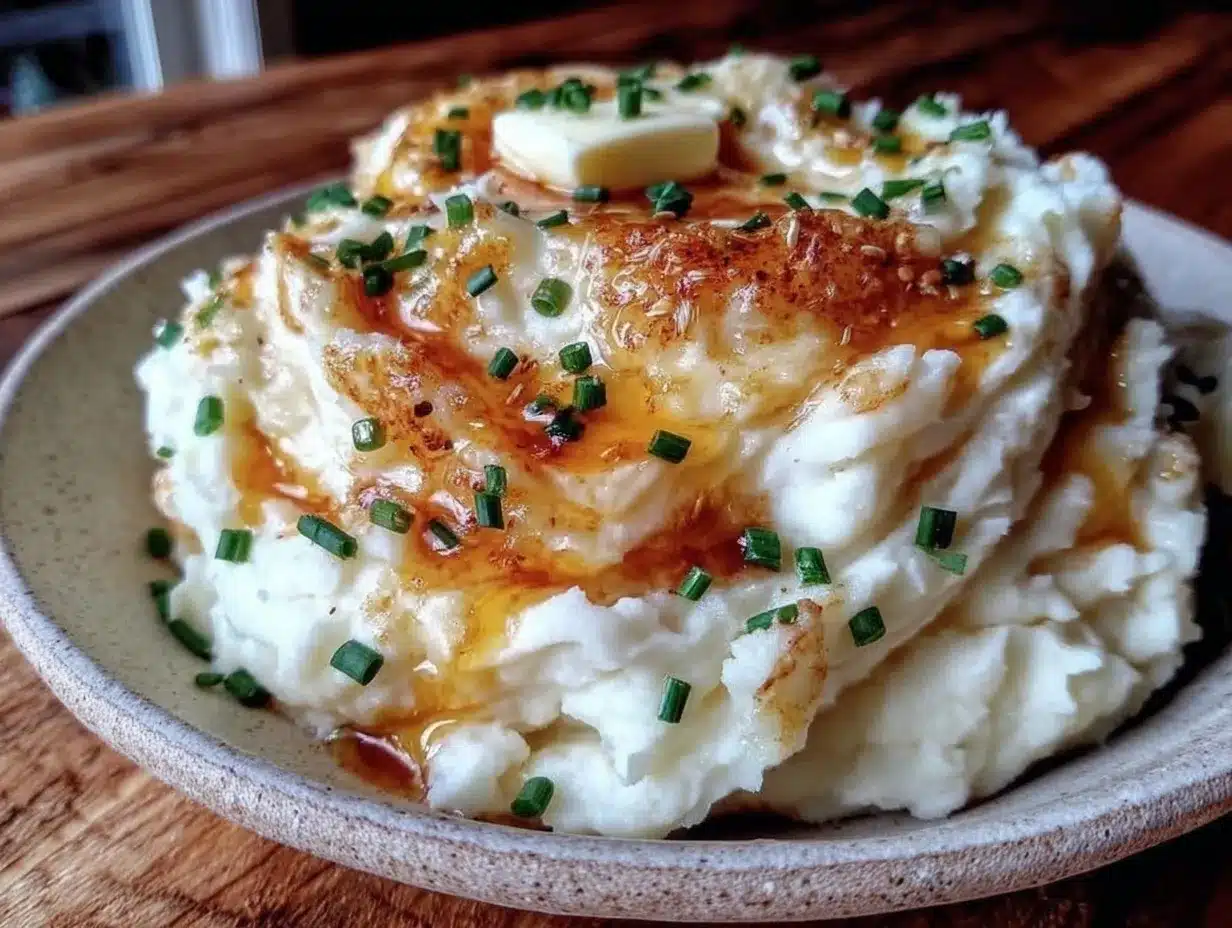
Serve these creamy easy mashed potatoes hot, straight from the pot, ideally with a pat of melting butter on top and a sprinkle of fresh herbs. They pair beautifully with roasted meats, grilled veggies, or even a simple vegetable gravy.
If you have leftovers (and let’s be honest, that doesn’t happen often), store them in an airtight container in the fridge for up to 3 days. To reheat, add a splash of milk or cream and warm gently on the stove or microwave, stirring frequently to restore creaminess.
Freezing mashed potatoes is possible but can sometimes affect texture. If freezing, portion into airtight bags and thaw overnight in the fridge before reheating. Flavors tend to deepen after resting, so leftovers can taste even better the next day!
Nutritional Information & Benefits
This mashed potatoes recipe offers a comforting balance of carbs and fats, perfect for satisfying hunger and providing energy. Potatoes are a good source of vitamin C, potassium, and fiber, especially if you keep some skins on for texture.
Using unsalted butter and controlling salt helps manage sodium levels. For a lighter version, consider substituting whole milk with low-fat milk or a plant-based alternative. This recipe is naturally gluten-free, making it suitable for many dietary needs.
From my nutritionist friends’ perspective, mashed potatoes can be part of a balanced diet when paired with plenty of veggies and lean proteins. Plus, they’re a great way to introduce kids to healthy carbs in a familiar form.
Conclusion
If you’re new to cooking or just want a reliable, creamy mashed potatoes recipe that won’t let you down, this one ticks all the boxes. It’s straightforward, forgiving, and full of comforting flavor. Plus, it’s easy to tweak to your taste or dietary needs.
I keep coming back to this recipe because it reminds me of those simple kitchen moments—like chatting with Mrs. Jensen or accidentally dropping a potato chunk on the floor and laughing it off. Mashed potatoes might sound basic, but done right, they’re pure magic on the plate.
Give it a try, and please let me know how your creamy easy mashed potatoes turn out. I’d love to hear your twists or tips too!
FAQs
What type of potatoes are best for creamy mashed potatoes?
Russet potatoes are best for fluffy, creamy mashed potatoes because of their high starch content. Yukon Golds work too but yield a denser texture.
Can I make mashed potatoes ahead of time?
Yes! You can prepare them a day ahead and reheat gently with a bit of milk or cream to restore creaminess.
How do I avoid lumpy mashed potatoes?
Peel and cut potatoes evenly, boil until fork-tender, and mash gently without overworking. Using a potato masher instead of a blender helps avoid lumps and gluey texture.
Is it possible to make this recipe dairy-free?
Absolutely. Replace butter with olive oil or vegan butter and use plant-based milk like almond or coconut milk for a creamy texture without dairy.
What can I add to mashed potatoes for extra flavor?
Garlic, fresh herbs, cheese, or even a bit of sour cream can add delicious layers of flavor. Roasted garlic mashed potatoes are particularly tasty!
Pin This Recipe!
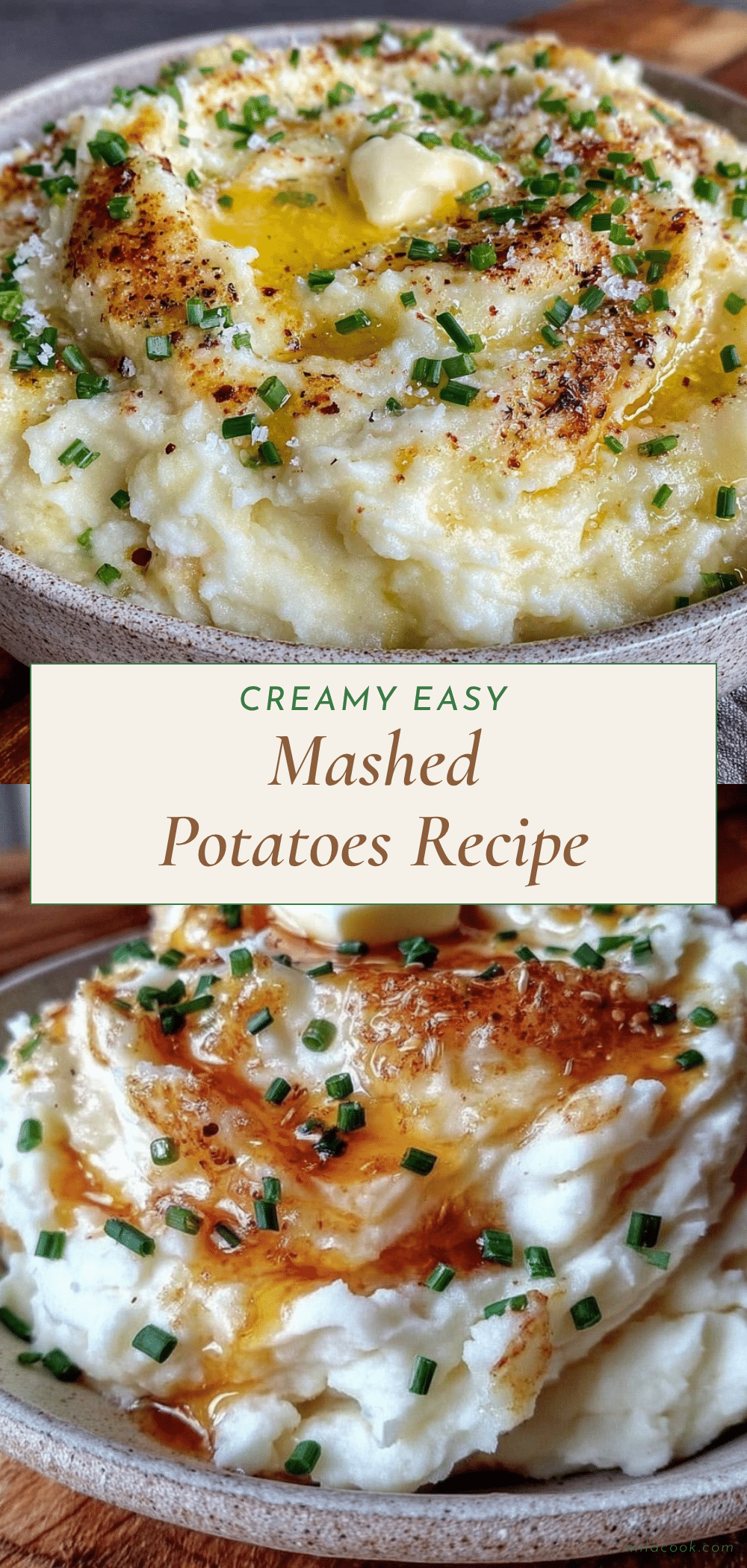
Creamy Easy Mashed Potatoes Recipe Perfect for Beginners Step by Step
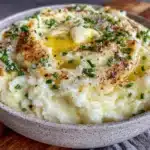
A beginner-friendly recipe for creamy, velvety mashed potatoes using simple ingredients and easy techniques to achieve perfect texture every time.
- Prep Time: 10 minutes
- Cook Time: 20 minutes
- Total Time: 30 minutes
- Yield: 6 servings 1x
- Category: Side Dish
- Cuisine: American
Ingredients
- 2 pounds (900 grams) russet potatoes
- 4 tablespoons (60 grams) unsalted butter, softened
- 1/2 cup (120 ml) whole milk, warmed
- Salt, to taste
- Freshly ground black pepper, to taste
- Optional: 1-2 cloves garlic, minced
- Optional: 2 tablespoons sour cream or cream cheese
Instructions
- Peel the russet potatoes and cut into roughly 1.5-inch chunks.
- Rinse the cut potatoes under cold water to remove excess starch.
- Place potatoes in a large pot and cover with cold water by about an inch. Add a pinch of salt.
- Bring to a boil over medium-high heat, then reduce to a simmer. Cook until fork-tender, about 15-20 minutes.
- Drain the potatoes in a colander and let them sit for a minute to steam off excess moisture.
- While potatoes cook, gently warm the butter and milk together until the butter melts and mixture is warm but not hot.
- Return potatoes to the pot or a large bowl and begin mashing slowly with a potato masher.
- Pour in the warm butter and milk mixture in stages, mashing gently in between until desired consistency is reached.
- Season with salt and pepper to taste. If using, stir in minced sautéed garlic or sour cream now and mix gently.
- Taste and adjust seasoning or add a small pat of butter for extra richness.
- Serve immediately warm.
Notes
Do not overwork the potatoes to avoid gluey texture. Warm the milk and butter before adding to keep potatoes creamy and warm. Let potatoes steam dry after draining for better absorption of butter and milk. For dairy-free version, substitute butter with olive oil or vegan butter and milk with almond or coconut milk.
Nutrition
- Serving Size: About 1 cup per serv
- Calories: 180
- Sugar: 2
- Sodium: 150
- Fat: 8
- Saturated Fat: 5
- Carbohydrates: 26
- Fiber: 2
- Protein: 3
Keywords: mashed potatoes, creamy mashed potatoes, easy mashed potatoes, beginner mashed potatoes, comfort food, side dish