Love this? Save it for later!
Share the inspiration with your friends
“I wasn’t even planning to start freezing food that day,” I remember telling my friend Lisa as we scrambled around my tiny kitchen. It was a Saturday afternoon, and I’d just come back from the farmer’s market with a bunch of fresh veggies and some bread that was already starting to dry out. I was about to toss the bread when Lisa casually suggested, “Why not freeze it instead?” Honestly, I thought freezing was complicated—like something only pros or those with giant freezers could manage. But she showed me some easy freezing tips for beginners that changed the way I cook and shop forever.
You know that feeling when you open your freezer and it’s just a jumble of mystery bags and weird shapes? Yeah, I’ve been there. I used to freeze things without a clue—wrapping stuff poorly or just tossing leftovers in a container. Not surprisingly, things ended up freezer-burned or tasting off. But learning what can you freeze—and how to do it right—made meal prep less stressful and saved me a ton of food waste. If you’re like me, juggling a busy schedule but wanting to eat homemade food without the daily hassle, this guide is for you. Let me tell you, it’s easier than it sounds, and once you get the hang of it, you’ll wonder why you didn’t start sooner.
Maybe you’ve been there too, staring at your fridge wondering if that ripe avocado or extra portions of soup can be saved. In this post, I’ll share the best easy freezing tips for beginners and reveal seven foods you can freeze perfectly every time. From bread to fresh herbs, these simple tricks will help you keep your ingredients fresh and your meals on point, no matter how hectic life gets.
Why You’ll Love This Recipe
Freezing food doesn’t have to be a mystery or a chore. After plenty of trial, error, and “oops” moments (like freezing a whole avocado without peeling it—yikes!), I’ve gathered practical tips that make freezing straightforward and foolproof. Here’s why these easy freezing tips for beginners will become your new kitchen go-to:
- Quick & Easy: Freezing takes just minutes but saves hours later. Perfect for busy weeknights or last-minute meal prep.
- Simple Ingredients: No special gadgets or exotic items needed—just what’s already in your pantry and fridge.
- Great for Meal Planning: Freeze in batches to have ready-made meals or ingredients anytime.
- Crowd-Pleaser: These tips work for all kinds of foods—kids and adults love the convenience.
- Food Waste Fighter: Stop tossing food and start freezing it to stretch your grocery budget and reduce waste.
What sets this guide apart is the emphasis on beginner-friendly methods that don’t require a freezer manual or complicated steps. Whether it’s how to prep bread so it stays fresh or the right way to freeze vegetables without losing flavor, this isn’t just another list. It’s a collection of kitchen-tested tricks that will make your freezer feel like your best sous-chef. Honestly, once I started freezing with these tips, I felt way more in control of my meals and less stressed about last-minute cooking.
What Ingredients You Will Need
Freezing well starts with knowing what foods freeze best and how to prepare them ahead of time. This list highlights seven foods you can freeze perfectly, along with simple prep tips to keep texture and flavor fresh:
- Bread: Use fresh artisan or sandwich bread. Slice before freezing to thaw only what you need.
- Cooked Rice and Grains: Cool completely before freezing in portion-sized containers to avoid sogginess.
- Fresh Herbs: Chop and freeze in ice cube trays with olive oil or water for easy flavor additions.
- Vegetables: Blanch (quick boil and ice bath) dense veggies like green beans, carrots, and broccoli to lock in color and nutrients.
- Cooked Soups and Stews: Cool fully and freeze in airtight containers or freezer bags. Leave space for expansion.
- Fruits: Berries, sliced bananas, and mango freeze well. Freeze on trays first to prevent clumping.
- Cheese: Hard cheeses like cheddar or mozzarella freeze well if shredded or sliced first.
For best results, choose high-quality, fresh ingredients. For example, I always go for King Arthur flour bread when freezing because it holds texture beautifully. When blanching veggies, timing is key—too long and they become mushy; too short and they won’t freeze properly. You can swap regular water with broth or lemon juice for freezing herbs to add extra flavor punch when thawed. Also, freezing in small portions helps avoid waste and keeps things manageable.
Equipment Needed
Setting up your freezer game doesn’t require fancy stuff, but a few tools do make a difference:
- Freezer-Safe Containers: Choose BPA-free plastic or glass containers with tight lids. I prefer glass for reheating versatility.
- Freezer Bags: Heavy-duty, zip-top bags save space and are great for soups or loose veggies.
- Plastic Wrap and Aluminum Foil: Use these for wrapping bread or delicate items before bagging.
- Ice Cube Trays: Perfect for freezing herbs or sauces in small portions.
- Permanent Marker: Labeling bags and containers with dates and contents is a lifesaver.
If you don’t have glass containers, sturdy plastic works fine. Just avoid thin bags that can tear. For herbs, silicone ice cube trays are budget-friendly and reusable. Personally, I keep a stash of various-sized containers and always double-wrap bread to prevent freezer burn. Simple tools, small investment, big payoff!
Preparation Method
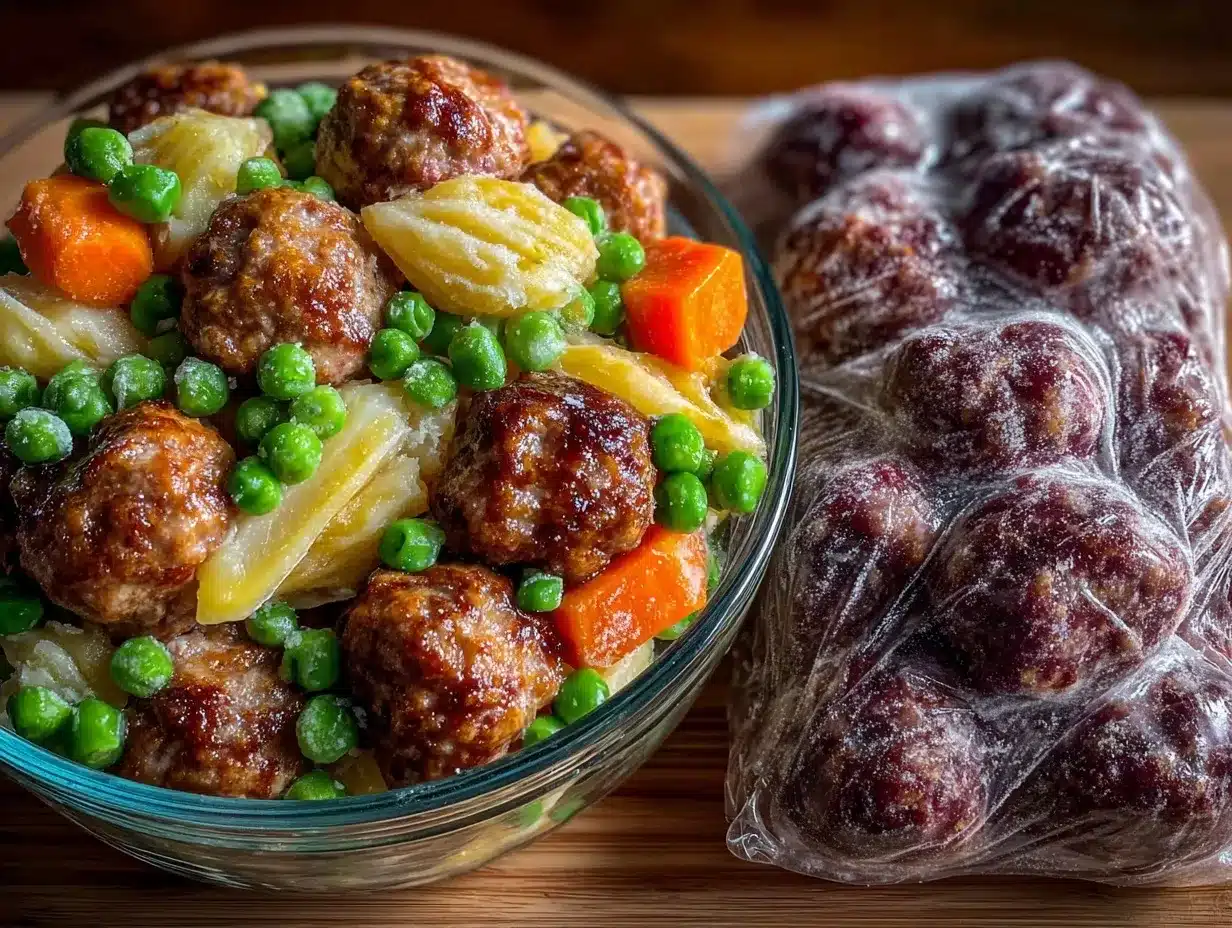
- Prep Your Ingredients: Wash and dry vegetables thoroughly. For herbs, chop finely and prepare ice cube trays with water or oil.
- Blanch Vegetables: Boil vegetables like green beans and broccoli for 2-3 minutes, then plunge into ice water immediately. Drain and pat dry before freezing.
- Slice Bread: Cut fresh bread into slices before wrapping tightly in plastic wrap, then place in freezer bags. Press out excess air.
- Cool Cooked Foods: Let soups, rice, and grains cool completely at room temperature (no more than 2 hours) to avoid condensation and sogginess.
- Portion Control: Divide foods into meal-sized portions. Use airtight containers or freezer bags, leaving about 1 inch (2.5 cm) of space at the top for expansion during freezing.
- Label & Date: Use a permanent marker to write contents and freezing date on each package. This simple step prevents mystery meals later.
- Freeze Flat: Lay bags flat in the freezer until solid for easier stacking and quicker thawing.
When thawing, plan ahead: move frozen ingredients to the fridge the night before or use the defrost setting on your microwave. I once forgot to thaw my frozen rice and ended up scrambling it directly in a pan with a splash of water—worked surprisingly well, but with a little prep, it’s even better. Trust me, these small habits make freezing a breeze and save you from last-minute kitchen chaos.
Cooking Tips & Techniques
Here are some tried-and-true tips to get the most from your freezer and avoid common pitfalls:
- Prevent Freezer Burn: Wrap items snugly with plastic wrap before placing in bags or containers. Removing air is key.
- Don’t Freeze Everything: Cream-based sauces and delicate greens often separate or wilt after freezing.
- Use Proper Thawing: Thaw in the fridge or gently in warm water bags to keep texture intact.
- Label Clearly: I can’t stress this enough—knowing what’s inside saves time and frustration.
- Freeze in Small Portions: This reduces waste and speeds thawing.
- Keep Freezer Organized: Group similar items together—like all soups in one bin, veggies in another—to find what you need fast.
Funny story: I once froze a whole loaf of bread without slicing and had to wrestle with it for 10 minutes before cutting off a chunk! That taught me the power of prepping before freezing. Also, avoid refreezing thawed items unless they’ve been cooked again, to keep food safe and tasty. These tips come from my kitchen wins and fails, so you can skip the mistakes and enjoy hassle-free frozen meals.
Variations & Adaptations
Freezing isn’t one-size-fits-all, and you can easily adapt these tips for your taste and dietary needs:
- Gluten-Free: Freeze gluten-free bread and grains alike. Just watch for moisture in some gluten-free breads after thawing.
- Vegan Options: Freeze plant-based soups and cooked legumes easily. Herbs frozen in olive oil cubes add flavor without dairy.
- Seasonal Variations: Freeze summer berries or fresh herbs to enjoy year-round. In winter, try freezing roasted root vegetables.
- Cooking Method Changes: For quick meals, freeze cooked grains to reheat in a skillet with veggies or protein.
- Personal Twist: I love freezing homemade pesto in ice cube trays—perfect for a quick sauce or soup boost.
Adjust textures and flavors by experimenting with pre-freeze preparation. For example, freezing sliced fruit with a sprinkle of lemon juice keeps colors bright. When freezing soups, avoid adding dairy before freezing; instead, stir it in after reheating to prevent curdling. These tweaks come from years of freezing trials and help you customize your freezer stash with ease.
Serving & Storage Suggestions
Frozen foods shine when served well and stored properly. Here’s how to make the most of your frozen goodies:
- Serving Temperature: Most frozen items taste best when thawed in the fridge overnight and reheated gently.
- Presentation: For frozen bread, toast slices directly from the freezer for a fresh-baked feel.
- Complementary Dishes: Pair frozen veggies with simple proteins or toss herb cubes into dressings and soups.
- Storage Duration: Bread and cooked grains last about 3 months; blanched veggies and soups up to 6 months.
- Reheating Tips: Use microwave or stovetop for soups; oven or toaster for bread to regain texture.
Flavors often improve after resting a day in the fridge post-thaw, so plan ahead when possible. I learned that frozen herbs add a fresh punch even days later, and the convenience of having ready-to-use ingredients means less stress during busy days. Keep your freezer tidy and labeled, and you’ll always know exactly what’s waiting for your next meal.
Nutritional Information & Benefits
Freezing food doesn’t just save time—it helps keep nutrients intact, making your meals both convenient and healthy. Most frozen vegetables and fruits retain their vitamins and antioxidants, especially if blanched properly before freezing. For example, frozen berries maintain high vitamin C and fiber levels, making them an easy snack or smoothie addition.
Freezing cooked grains and proteins allows you to prepare balanced meals in advance, supporting a nutritious lifestyle with less effort. Keep in mind, freezing does not add calories or reduce nutritional value significantly. However, avoid freezing cream-based dishes as texture may change, affecting palatability.
This method fits well with gluten-free and plant-based diets, too, by preserving fresh ingredients and reducing reliance on processed convenience foods. Personally, freezing has helped me stick to healthier eating habits by having wholesome ingredients ready to go, even on the busiest days.
Conclusion
Learning these easy freezing tips for beginners has truly transformed my kitchen routine. What used to feel overwhelming is now a simple, rewarding process that helps me eat better, waste less, and save time. Whether you’re freezing bread, veggies, or homemade soups, the techniques shared here make it straightforward and enjoyable.
Don’t be afraid to get creative and adjust based on what you have or like. Freezing is flexible and forgiving, so take it at your own pace. I hope you’ll share your own freezing wins and even the occasional mishap—I’d love to hear what works for you!
Give these tips a try, and next time you open your freezer, you might just smile at all the ready-to-go meals waiting inside. If you have questions or cool freezing hacks, drop a comment below—let’s keep the conversation (and the freezer magic) going!
FAQs About Freezing Food
What are the best foods to freeze for beginners?
Start with bread, cooked rice, blanched vegetables, fresh herbs, cooked soups, fruits like berries, and hard cheeses. These freeze well and are easy to handle.
How long can I safely keep food in the freezer?
Most cooked foods and bread last 3-6 months. Vegetables and fruits can keep up to 8-12 months if properly prepared and stored.
Can I freeze raw vegetables without blanching?
Some veggies like bell peppers and onions freeze fine raw, but dense or leafy vegetables usually need blanching to maintain texture and color.
Is it okay to refreeze thawed food?
It’s best to avoid refreezing unless the food has been cooked again. Refreezing thawed food can affect quality and safety.
How do I prevent freezer burn?
Wrap food tightly in plastic wrap, then place in airtight containers or freezer bags. Removing as much air as possible helps prevent freezer burn.
For deeper insight on meal prep and kitchen tips, you might enjoy my post on easy one-pot meals or the guide to homemade vegetable stock, both great companions to freezing your favorites.
Pin This Recipe!
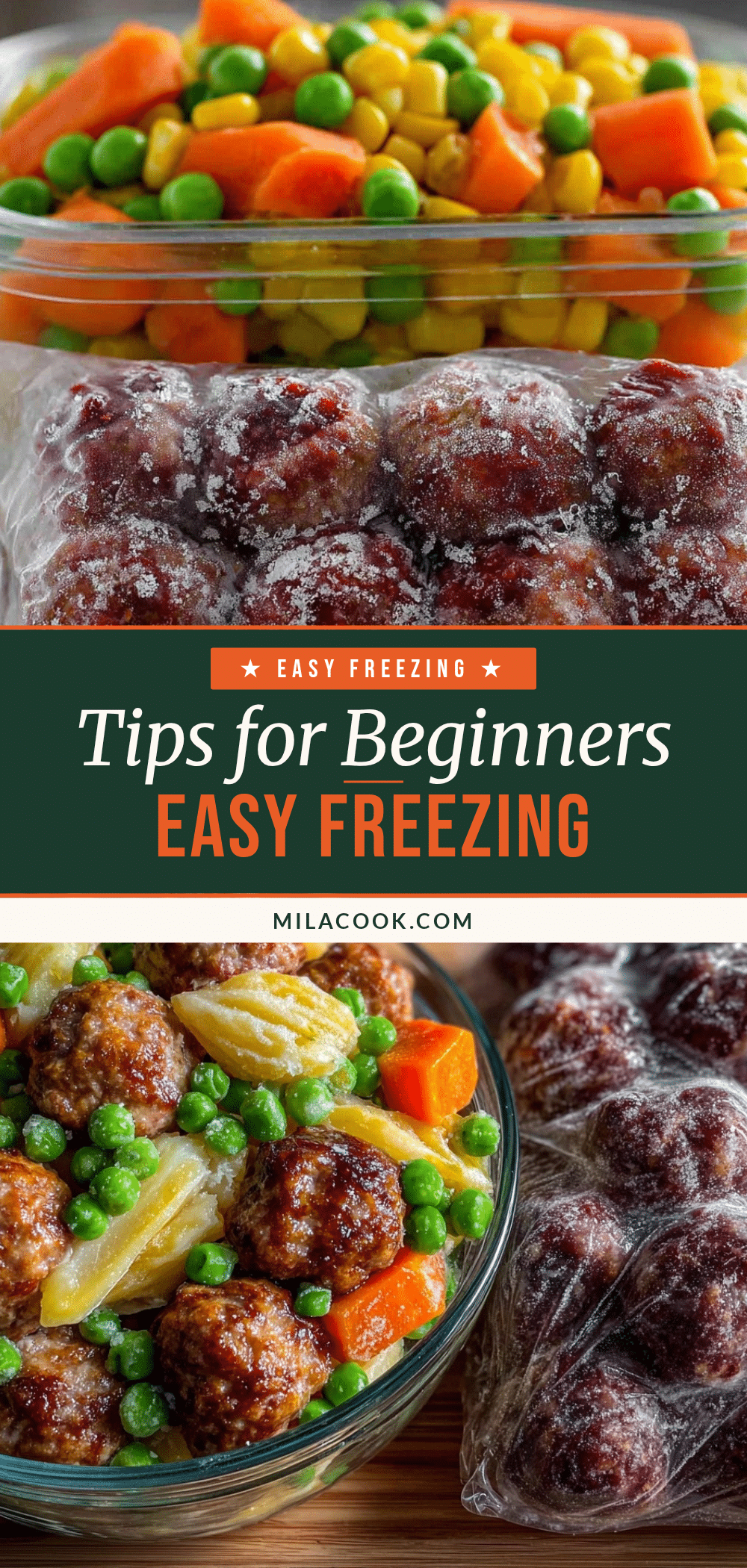
Easy Freezing Tips for Beginners: 7 Foods You Can Freeze Perfectly
A beginner-friendly guide sharing practical tips and techniques to freeze seven common foods perfectly, helping reduce food waste and simplify meal prep.
- Prep Time: 15 minutes
- Cook Time: 5 minutes (blanching vegetables)
- Total Time: 20 minutes
- Yield: Varies depending on portions frozen
- Category: Food Preservation
- Cuisine: Universal
Ingredients
- Fresh artisan or sandwich bread
- Cooked rice and grains
- Fresh herbs (chopped)
- Vegetables (green beans, carrots, broccoli, etc.)
- Cooked soups and stews
- Fruits (berries, sliced bananas, mango)
- Hard cheeses (cheddar, mozzarella)
Instructions
- Wash and dry vegetables thoroughly. For herbs, chop finely and prepare ice cube trays with water or olive oil.
- Blanch vegetables like green beans and broccoli by boiling for 2-3 minutes, then plunge into ice water immediately. Drain and pat dry before freezing.
- Slice fresh bread before wrapping tightly in plastic wrap, then place in freezer bags. Press out excess air.
- Let cooked soups, rice, and grains cool completely at room temperature (no more than 2 hours) to avoid condensation and sogginess.
- Divide foods into meal-sized portions. Use airtight containers or freezer bags, leaving about 1 inch (2.5 cm) of space at the top for expansion during freezing.
- Label each package with contents and freezing date using a permanent marker.
- Lay bags flat in the freezer until solid for easier stacking and quicker thawing.
Notes
Avoid freezing cream-based sauces and delicate greens as they may separate or wilt. Always remove as much air as possible to prevent freezer burn. Freeze in small portions for faster thawing and less waste. Label packages clearly with date and contents. Thaw in fridge overnight or use microwave defrost setting. Double-wrap bread to maintain texture.
Nutrition
- Serving Size: Portion size varies
Keywords: freezing tips, food preservation, freezer meals, meal prep, beginner freezing guide, freeze vegetables, freeze bread, freeze soups