Love this? Save it for later!
Share the inspiration with your friends
“I wasn’t expecting to become the grill master of my circle,” I confessed to my friend one humid Saturday afternoon, the air thick with smoke and the scent of sizzling meat. It all started when my neighbor, an elderly gentleman named Mr. Jenkins, invited me over for a backyard barbecue. Watching him handle that old, weathered grill with confidence and care, I realized how grilling isn’t just about cooking—it’s about respect for the fire, the food, and the people around you.
That day, I learned that mastering the grill didn’t mean chasing fancy gadgets or complicated recipes. It was about understanding the basics of grilling safety, especially as a beginner. I remember fumbling with the lighter, nearly dropping the spatula, and juggling the flames that threatened to flare up unexpectedly. Honestly, maybe you’ve been there too—standing nervously by the grill, wondering if you’re about to burn dinner or, worse, yourself.
Since then, I’ve gathered easy grilling safety tips that helped me go from grill rookie to someone who can confidently host backyard cookouts without a hitch. These tips aren’t just about avoiding burns or flare-ups; they’re about making grilling an enjoyable, stress-free experience. Whether you’re firing up the grill for the first time or want to brush up on your safety game, I’m sharing what I’ve learned so you can master the grill perfectly every time.
Why You’ll Love This Recipe
Honestly, grilling can seem intimidating at first, but these easy grilling safety tips for beginners make it approachable and fun. Having tested these tips myself, and after many trial-and-error cookouts, I can say they truly make a difference. Here’s why you’ll want to keep this guide close:
- Quick & Easy: Get grill-ready in minutes with simple safety checks and setup.
- Simple Ingredients: No need for fancy equipment—just your grill, some charcoal or propane, and good common sense.
- Perfect for Summer Gatherings: Whether it’s a weekend cookout or a holiday BBQ, these tips keep the vibe safe and relaxed.
- Crowd-Pleaser: When you’re safe and confident, the food turns out better, and guests notice.
- Unbelievably Reliable: These safety pointers have saved me from flare-ups and mishaps more times than I can count.
This isn’t just another grilling guide filled with complicated jargon or endless rules. It’s the kind of advice that feels like a chat with a seasoned neighbor who’s been there and wants you to have a great time—without the stress. You’ll learn to respect the fire while enjoying the process, making your grilled meals memorable for all the right reasons.
What Ingredients You Will Need
Okay, while this isn’t a food recipe per se, you’ll need a few essential “ingredients” to keep your grilling safe and smooth. Think of these as your toolkit for success:
- Grill: Whether it’s a charcoal grill, propane gas grill, or electric, knowing your grill’s quirks is key.
- Fuel: Charcoal briquettes or lump charcoal for charcoal grills; fresh propane tank for gas grills.
- Long-handled Tools: Spatula, tongs, and fork with long handles to keep your hands safely away from the heat.
- Fire Extinguisher: Always keep a small, easily accessible fire extinguisher rated for grease fires nearby.
- Meat Thermometer: To avoid undercooked or overcooked food, which can be a safety and taste issue.
- Heat-resistant Gloves: Protect your hands when handling hot grates or lids.
- Spray Bottle with Water: Handy for controlling unexpected flare-ups without dousing the fire completely.
- Cleaning Brush: A sturdy grill brush to clean residue and prevent flare-ups caused by grease build-up.
For the fuel, I personally prefer Kingsford charcoal briquettes for consistent heat, but lump charcoal is also great if you want a smokier flavor. When it comes to tools, brands like Weber offer durable, budget-friendly options that last for years. If you’re using a gas grill, always check the propane tank’s pressure gauge before starting—nothing worse than running out mid-cook!
Remember, keeping your grill clean and your tools in good shape isn’t just about hygiene—it prevents dangerous grease fires and keeps your cooking safe.
Equipment Needed
Getting your equipment right is half the battle when mastering grilling safety. Here’s what you’ll want in your grilling arsenal:
- Grill (Charcoal or Gas): Pick one that suits your space and style. I started with a small charcoal kettle grill—compact but powerful.
- Grill Tools Set: Includes long-handled spatula, tongs, and fork. I’ve found that tools with wooden or silicone handles are easier to grip and safer on hot days.
- Meat Thermometer: Instant-read digital thermometers are my favorite for accuracy and speed.
- Fire Extinguisher or Fire Blanket: Non-negotiable safety gear. A small ABC-rated extinguisher fits perfectly beside the grill.
- Heat-resistant Gloves: I recommend gloves that cover your wrists and arms to prevent burns.
- Grill Cleaning Brush: Opt for a stainless-steel bristle brush or a bristle-free scraper if you’re concerned about bristle fallout.
- Spray Bottle with Water: A simple, inexpensive way to tame flare-ups quickly.
For beginners, budget-friendly options like the Weber 3-Piece Tool Set work wonders without breaking the bank. If you don’t have a fire extinguisher handy, a bucket of sand or baking soda nearby can help smother small grease fires. Just don’t use water on grease fires—that’s a rookie mistake I made once, and trust me, it’s a lesson you don’t want to learn the hard way!
Preparation Method
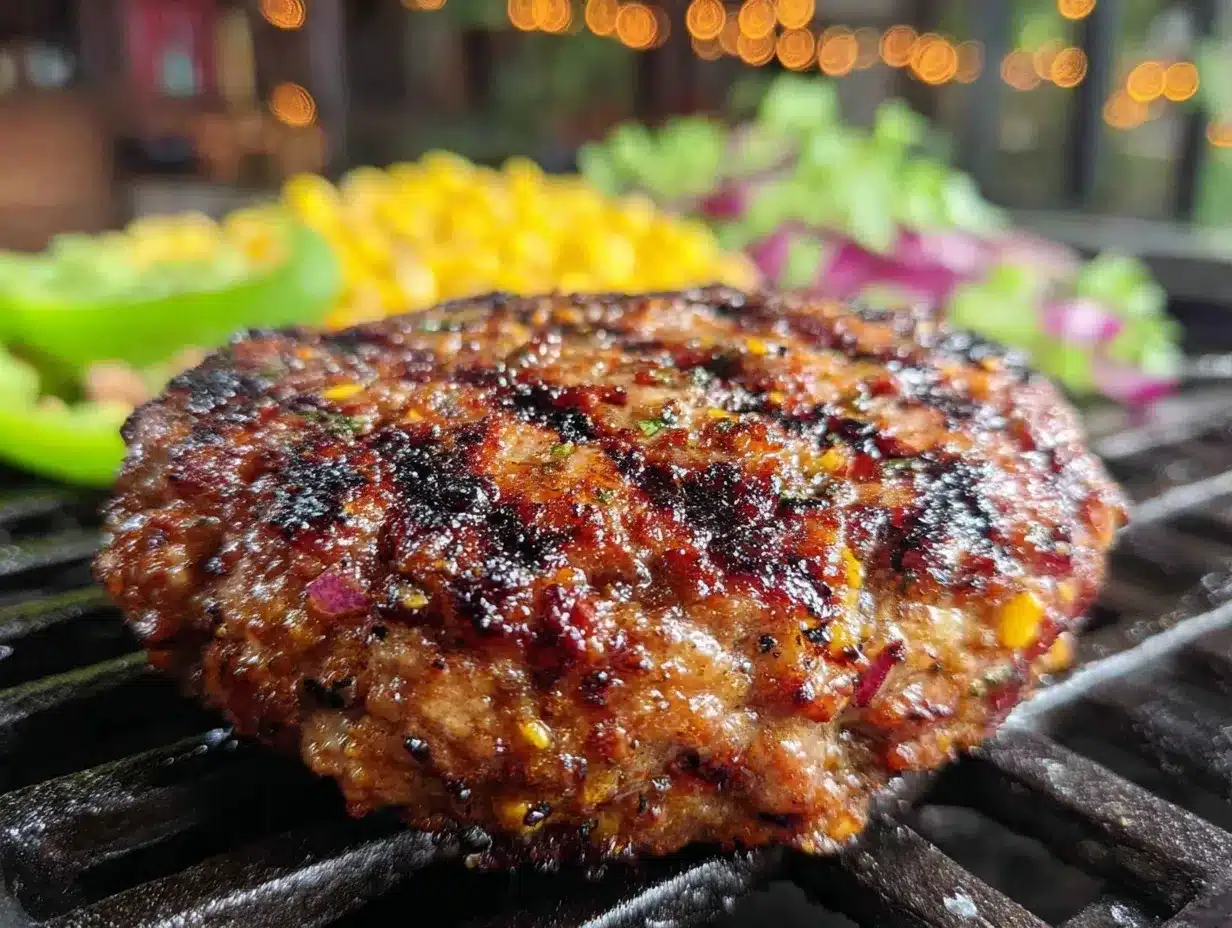
- Inspect Your Grill: Before you light it up, check for grease buildup, rust, or blockages in the vents. For gas grills, inspect the gas lines and connections for leaks by applying soapy water and watching for bubbles (5 minutes).
- Set Up Your Grill Safely: Position the grill on a flat, stable surface away from flammable materials like wooden decks, overhanging trees, or dry grass (10 minutes). I once forgot this step and nearly singed the patio umbrella—lesson learned!
- Prepare Your Tools and Safety Gear: Have your long-handled tools, gloves, spray bottle, and fire extinguisher within arm’s reach before igniting (5 minutes).
- Light the Grill Properly: For charcoal grills, use a chimney starter instead of lighter fluid to avoid chemical flavors and dangerous flare-ups. For gas grills, open the lid before turning on the gas to prevent gas buildup (10 minutes).
- Control the Heat: Arrange coals for indirect or direct heat zones to manage cooking temperatures better. For gas grills, adjust burners accordingly (5 minutes).
- Monitor the Grill Constantly: Never leave an active grill unattended. Keep an eye on flare-ups and use your spray bottle to manage them without killing the fire (Throughout cooking).
- Use a Meat Thermometer: Check internal temperatures to ensure safe cooking—165°F (74°C) for poultry, 145°F (63°C) for beef steaks, etc. (Varies by food).
- After Cooking, Cool Down Safely: Close the grill vents and lid to extinguish coals or turn off gas burners. Let everything cool completely before cleaning or covering (30 minutes).
- Clean the Grill: Use your grill brush to scrape off residue while the grill is still warm but not hot. This prevents buildup that causes flare-ups next time (10 minutes).
Pro tip: I always keep a small notebook near the grill to jot down any flare-up incidents or temperature notes. It helps me tweak my approach for the next cookout. Also, if you smell gas at any point, turn off the grill immediately and check connections before proceeding.
Cooking Tips & Techniques
Grilling safety isn’t just about avoiding burns; it’s about cooking smarter and enjoying the process. Here are some tips I’ve learned (sometimes the hard way):
- Don’t Crowd the Grill: Overloading the grill leads to uneven cooking and flare-ups. Give each piece of food room to breathe.
- Keep a Spray Bottle Handy: It’s a lifesaver for small flames that jump up unexpectedly—but avoid dousing the fire completely or you’ll lose heat.
- Practice Patience: Resist the urge to flip meat constantly. Let it sear properly to develop flavor and reduce sticking.
- Know Your Grill’s Hot Spots: Every grill has warmer and cooler areas. Use this knowledge to cook different foods at once safely.
- Wear Appropriate Clothing: Avoid loose sleeves or synthetic fabrics that can catch fire easily.
- Keep Kids and Pets Away: A simple rule that keeps your cookout stress-free and safe for everyone.
One time, I forgot to clean the grill after a greasy burger night, and the next cookout turned into a mini flare-up festival. Cleaning isn’t glamorous, but it’s crucial. Also, learning to control gas flow and coals over time will help you avoid those scary flare-ups that make you jump back like you touched a hot stove.
Variations & Adaptations
While the core of grilling safety remains the same, you can adjust your approach depending on your equipment, diet, or preferences:
- Charcoal vs. Gas: Charcoal requires more attention to fire management, but offers great smoky flavor. Gas grills heat up faster and have more precise temperature control, which might be easier for beginners.
- Vegetarian Grilling: Use a grill basket or aluminum foil to safely cook smaller veggies or tofu without losing them through the grates.
- Allergen-Free Options: If cooking for guests with allergies, designate a clean area or grill zone to avoid cross-contamination.
- Seasonal Adaptations: In colder months, consider using a wind shield or grilling indoors with an electric grill (safely, of course).
- Personal Twist: I once made a simple marinade that reduced flare-ups by coating meat in olive oil and herbs, which helped control fat drips.
Each variation challenges you to keep safety front and center while adapting to your unique grilling style. I’ve had friends switch from charcoal to gas just to feel more in control, and others who swear by open-flame techniques with extra caution.
Serving & Storage Suggestions
After you’ve mastered the grilling safely, serving and storing your food properly is the next step to enjoy every bite:
- Serving Temperature: Serve grilled food immediately for best texture and flavor. Hot off the grill is honestly unbeatable.
- Presentation Tips: Use fresh herbs or lemon wedges to brighten grilled meats and veggies. Rustic wooden platters work great for that backyard vibe.
- Storage: Leftovers should be cooled quickly and stored in airtight containers in the refrigerator within two hours.
- Freezing: Most grilled meats freeze well. Slice or portion before freezing for easy thaw-and-reheat meals.
- Reheating: Reheat gently on the grill or in the oven to avoid drying out. Avoid microwaving if you want to keep that fresh-grilled flavor.
- Flavor Development: Some grilled dishes, like marinated chicken, taste even better the next day as the flavors meld.
One time, I stored grilled vegetables without sealing them well, and they got a bit soggy—lesson learned! Keeping your food airtight helps maintain that smoky, fresh-grilled goodness.
Nutritional Information & Benefits
Grilling is a fantastic way to cook healthier meals since you can avoid heavy oils and retain nutrients. Here’s what you get with grilled foods when done safely:
- Lower Fat Content: Excess fat drips off the grates, reducing calories.
- Preserved Nutrients: Quick cooking at high heat locks in vitamins and minerals, especially in vegetables.
- Reduced Use of Added Oils: You generally use less oil than frying or sautéing.
- High Protein Focus: Grilled meats provide excellent protein for muscle repair and energy.
- Diet-Friendly: This method fits well into gluten-free, low-carb, and paleo diets.
Just be mindful: charring food excessively can create harmful compounds, so controlling flare-ups and avoiding blackened bits is part of safe grilling’s health benefits. Personally, I appreciate how grilling makes weeknight meals feel special without extra calories or fuss.
Conclusion
Grilling doesn’t have to be daunting or risky, especially if you follow these easy grilling safety tips for beginners. I’ve been there—nervous and fumbling at the start—but with just a few thoughtful habits, grilling became one of my favorite ways to cook and gather with friends. You can make this your go-to guide for every backyard BBQ or spontaneous cookout.
Remember, the best grilling experience comes from respecting your equipment, preparing properly, and keeping safety top of mind. Feel free to customize these tips as you grow more confident, and don’t hesitate to share your own grilling stories or questions. After all, mastering the grill is a journey, and I’m glad to be part of yours!
FAQs
What’s the safest way to light a charcoal grill?
Using a chimney starter is the safest and easiest method. It avoids chemicals and helps the charcoal light evenly without flare-ups.
How can I prevent flare-ups while grilling?
Trim excess fat from meats, avoid overcrowding the grill, and keep a spray bottle of water nearby to control sudden flames.
Is it necessary to clean the grill after every use?
Yes, cleaning helps prevent grease build-up that can cause dangerous flare-ups and affects the flavor of your food.
Can I grill safely indoors?
It’s generally not recommended to use traditional grills indoors due to carbon monoxide risks. Electric grills designed for indoor use are safer alternatives.
How do I know when my grilled meat is fully cooked?
Use a meat thermometer to check internal temperatures: 165°F (74°C) for poultry, 145°F (63°C) for beef steaks, and 160°F (71°C) for ground meats.
Pin This Recipe!
Easy Grilling Safety Tips for Beginners to Master the Grill Perfectly

A beginner-friendly guide to mastering grilling safety, ensuring a stress-free and enjoyable backyard cookout experience with essential tips and equipment.
- Prep Time: 25 minutes
- Cook Time: Varies by food
- Total Time: Varies by food plus 45 minutes for setup and cleanup
- Yield: Not applicable
- Category: Cooking Tips
- Cuisine: General/American
Ingredients
- Grill (charcoal, propane gas, or electric)
- Charcoal briquettes or lump charcoal (for charcoal grills)
- Fresh propane tank (for gas grills)
- Long-handled tools: spatula, tongs, fork
- Fire extinguisher rated for grease fires
- Meat thermometer
- Heat-resistant gloves
- Spray bottle with water
- Grill cleaning brush
Instructions
- Inspect your grill for grease buildup, rust, or vent blockages. For gas grills, check gas lines and connections for leaks using soapy water (5 minutes).
- Set up your grill on a flat, stable surface away from flammable materials like wooden decks, trees, or dry grass (10 minutes).
- Prepare your tools and safety gear: long-handled tools, gloves, spray bottle, and fire extinguisher within reach (5 minutes).
- Light the grill properly: use a chimney starter for charcoal grills; open the lid before turning on gas for gas grills (10 minutes).
- Control the heat by arranging coals for indirect or direct heat zones or adjusting gas burners (5 minutes).
- Monitor the grill constantly; never leave it unattended. Use the spray bottle to manage flare-ups without extinguishing the fire (throughout cooking).
- Use a meat thermometer to check internal temperatures: 165°F for poultry, 145°F for beef steaks, 160°F for ground meats.
- After cooking, close grill vents and lid to extinguish coals or turn off gas burners. Let cool completely before cleaning or covering (30 minutes).
- Clean the grill with a brush while still warm but not hot to prevent residue buildup and future flare-ups (10 minutes).
Notes
Always keep a fire extinguisher nearby and never leave the grill unattended. Use a chimney starter for charcoal grills to avoid chemical flare-ups. Clean the grill after each use to prevent grease buildup and flare-ups. Avoid using water on grease fires. Use a meat thermometer to ensure safe cooking temperatures. Keep kids and pets away from the grill area. Wear appropriate clothing to prevent burns.
Nutrition
- Serving Size: Not applicable
Keywords: grilling safety, beginner grilling tips, backyard BBQ, grill master, fire safety, charcoal grill, gas grill, meat thermometer, flare-up control