Love this? Save it for later!
Share the inspiration with your friends
Introduction
“Are you sure you don’t need help?” my friend asked, leaning over the cluttered kitchen counter while I stared blankly at the stove. It was my first solo cooking night, and honestly, I was overthinking the simplest thing in the world—boiling water. You’d think it’s just water in a pot, right? But there I was, nervously fiddling with the knobs, wondering if I should cover the pot or how long to wait. It turns out, boiling water is one of those things that everyone assumes you know, but no one really teaches you properly.
This “Easy How to Boil Water for Beginners” guide came about because of that very night. I remember the frustration of waiting for what felt like forever, the occasional burst of steam that startled me, and the tiny mess I made when I forgot to turn off the burner (yes, rookie move!). Maybe you’ve been there too—standing in front of the stove, second-guessing yourself, or just wanting a clear, simple way to get it right without fuss. That’s why I wrote this guide: to share everything I learned so you don’t have to struggle like I did.
Whether you’re completely new to cooking or just need a refresher, boiling water is a fundamental skill that opens the door to countless recipes—from pasta and rice to tea and soups. Stick with me, and I’ll walk you through the process step-by-step, with tips, tricks, and a few laughs along the way. Because, honestly, even the simplest steps can feel like a big deal when you’re starting out.
Why You’ll Love This Recipe
This easy guide to boiling water isn’t just about heating liquid—it’s about building confidence in the kitchen, one basic step at a time. Here’s why you’ll find this super straightforward method helpful and even a bit empowering:
- Quick & Easy: You’ll see how to boil water efficiently, usually in less than 10 minutes, perfect for those moments when you’re hungry or in a rush.
- Simple Ingredients: No fancy gadgets or rare ingredients needed—just water and a pot, which you already have on hand.
- Perfect for Beginners: Designed especially for those who feel intimidated by kitchen basics, this guide breaks everything down into manageable steps.
- Versatile Skill: Once you master boiling water, you can tackle a ton of recipes that rely on this basic technique, from making instant noodles to brewing the perfect cup of tea.
- Reliable and Safe: Learn to do it the right way to avoid common mishaps like overflows, burns, or wasted energy.
This isn’t just another “boil water” explanation. I share tips I wish someone had told me—like when to use a lid, how to pick the right pot, and what to look for when your water is truly boiling. It’s about making you feel ready to move on to bigger cooking adventures with that “I got this” confidence. So, let’s get started on making boiling water the easiest part of your cooking journey.
What Ingredients You Will Need
This recipe uses simple, wholesome ingredients to deliver a straightforward cooking tip without any fuss. You probably have everything you need already, and that’s the beauty of it.
- Water: Fresh, clean water is key. Tap water is fine in most cases, but if your tap water tastes odd, filtered or bottled water is a great option.
- Optional: For some recipes, you might add a pinch of salt to the water to enhance flavor (like for pasta), but plain water is perfect for boiling itself.
That’s it! The simplicity here is what makes this skill so approachable. You don’t need anything complicated to get started, and once you see how easy it is, you’ll be surprised at how many dishes begin with this simple step.
Equipment Needed
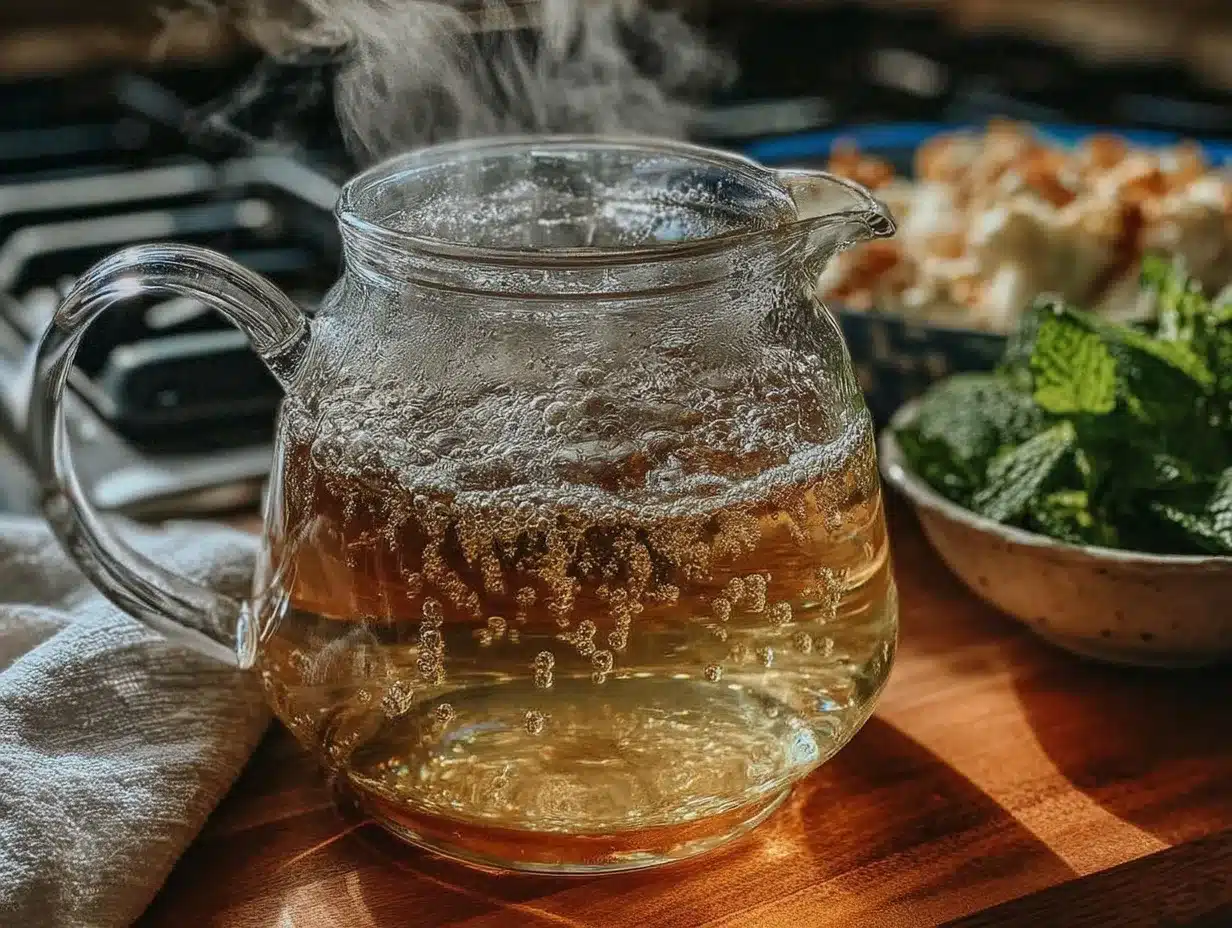
To boil water, you don’t need a fancy setup. Here’s what I recommend:
- Pot or Saucepan: A medium to large pot works best. I prefer stainless steel because it heats evenly and is easy to clean, but any heat-safe pot will do.
- Lid: A matching lid helps speed up boiling by trapping heat. If you don’t have one, no worries—boiling just takes a bit longer.
- Stove or Electric Kettle: A standard stove works perfectly. If you have an electric kettle, it can be even simpler and faster to boil water.
- Heat-Resistant Gloves or Pot Holder: For safety when handling hot pots, these are a must to avoid burns.
Don’t have a perfect pot? I once boiled water in a deep frying pan when my pots were all dirty—worked fine in a pinch! Just make sure your vessel is safe for stovetop use. Keeping your pots clean and dry extends their life. If you’re on a budget, simple stainless steel or enamel pots are inexpensive and reliable.
Preparation Method
- Fill Your Pot: Pour cold water into your pot. Use the amount you need—usually 4 cups (1 liter) for most recipes. Avoid overfilling to prevent spills when boiling.
- Place on Stove: Set the pot on the burner and turn the heat to high. If you’re using an electric kettle, simply fill and switch it on.
- Cover the Pot: Put the lid on the pot. This traps heat and helps water boil faster. If you forget, no big deal, but it might take a few extra minutes.
- Wait for Boil: Watch the water carefully. You’ll see small bubbles at the bottom first, then bubbles rising to the surface. When the water reaches a rolling boil—big bubbles breaking the surface continuously—you’re ready!
- Turn Off Heat: Once boiling, turn off the stove immediately to save energy and prevent overboiling.
- Use or Cool: Depending on your recipe, you can use the boiling water right away or let it cool slightly.
Tips: If you see water bubbling too much and spilling over, lower the heat slightly or remove the lid briefly. If you’re boiling large amounts, it can take 10-15 minutes. A small pot with a lid usually boils water in about 5–7 minutes on high heat.
Remember, every stove is different. Gas stoves heat faster than electric ones, so adjust accordingly. And honestly, it’s normal to watch the pot and get a little impatient—just don’t walk away and forget about it (I’ve learned that the hard way!).
Cooking Tips & Techniques
Boiling water sounds simple, but there are little tricks that can make it easier and safer:
- Use Cold Water: Starting with cold water is best because it contains more oxygen, which can improve the taste of pasta and other foods cooked in it.
- Cover It: Always use a lid when possible. It traps heat and cuts boiling time almost in half.
- Don’t Overfill: Leave some space in the pot to prevent spills and dangerous splashes when water bubbles up.
- Watch Closely: Boiling water can overflow quickly, so stay near the stove, especially if it’s your first time.
- Use the Right Pot Size: A wider pot boils water faster because more surface area is exposed to heat.
- Safety First: Always use pot holders when handling hot pots, and pour boiling water slowly to avoid splashes.
One time, I forgot the lid and the water took forever to boil. Lesson learned: patience is key, but a lid is your friend! Also, if you’re making something like tea, heating water in an electric kettle is a game-changer for speed and convenience.
Variations & Adaptations
While boiling water is straightforward, here are some variations you might find helpful depending on your needs:
- Salted Water: Adding a pinch of salt before boiling can enhance flavor, especially when cooking pasta or vegetables.
- Flavored Water: For tea or infusions, add herbs, lemon slices, or spices while boiling for extra aroma (just strain before use).
- Altitude Adjustments: At higher altitudes, water boils at lower temperatures. You might need longer cooking times for recipes that require boiling water.
- Electric Kettle Use: If you prefer, use an electric kettle to boil water quickly. Just be cautious when pouring hot water from a kettle.
- Microwave Method: For very small amounts, you can boil water in a microwave-safe container. Heat in short bursts and watch carefully to avoid superheating.
I once experimented with boiling water infused with fresh mint leaves for a refreshing twist on plain water—simple, but surprisingly nice! Feel free to get creative once you’re comfortable with the basics.
Serving & Storage Suggestions
Boiled water is usually an ingredient rather than a dish itself, but here’s how to handle it best:
- Use Immediately: For cooking pasta, tea, or instant meals, use boiling water right away to get the best results.
- Cool Safely: If you need cooled boiled water (for baby formula or recipes), pour it into a clean container and let it cool naturally. Avoid leaving it out uncovered for too long.
- Storage: Boiled water can be stored in a clean, covered container in the fridge for up to 24 hours safely. Reheat gently before use.
- Reheating: Bring stored boiled water back to a boil before using it for cooking or drinking.
- Complementary Uses: Boiled water forms the base for countless dishes—from simple instant soups to complex stews—making it a kitchen staple.
Remember, the fresher the boiled water, the better the taste and safety. If you’re into tea, the magic really starts here, so having boiled water ready is key. For a quick meal, nothing beats pouring boiling water over instant noodles or couscous!
Nutritional Information & Benefits
While water itself has no calories or nutrients, boiling it is a key step in preparing many healthy meals:
- Hydration: Boiled water is safe and free from bacteria, making it ideal for drinking and cooking.
- Improved Taste: Boiling can improve the flavor by removing impurities and chlorine from tap water.
- Safe Cooking: Using boiled water ensures your food is prepared in a clean environment, reducing risk of foodborne illness.
- Dietary Friendly: Boiled water fits all diets, including gluten-free, vegan, paleo, and keto.
From a wellness perspective, mastering boiling water is a small but important step towards cooking more homemade meals, which generally support better nutrition and health. It’s a foundational skill that supports a lifetime of nourishing food.
Conclusion
Boiling water might seem like the simplest kitchen task, but it’s an essential building block for any home cook. This easy guide helps you get comfortable with the basics so you can move on to more exciting recipes without hesitation. I love this recipe because it reminds me that every great meal starts with mastering the small stuff. Plus, knowing how to boil water properly makes you feel surprisingly accomplished—trust me, I’ve been there!
Give this method a try, tweak it to your kitchen setup, and watch how it becomes second nature. When you’re ready, you might want to try recipes like crispy garlic chicken or hearty vegetable stew that rely on boiling water as a first step. Feel free to leave your thoughts, questions, or little victories in the comments—I’m always excited to hear how your cooking journey unfolds!
Remember, every great chef started with boiling water. You’re off to a fantastic start.
FAQs
How long does it take to boil water?
On average, it takes about 5 to 10 minutes to boil 4 cups (1 liter) of water on a standard stove. Using a lid speeds up the process significantly.
Can I boil water in a microwave?
Yes, you can boil small amounts of water in a microwave-safe container. Heat in short intervals and watch carefully to avoid superheating, which can cause sudden boiling.
Why should I use cold water to boil?
Cold water contains more dissolved oxygen, which can improve the taste of your food. Also, starting with cold water is safer and more energy-efficient.
Is it necessary to cover the pot while boiling water?
Covering the pot traps heat and makes water boil faster. It also helps prevent water from evaporating too quickly.
Can I store boiled water for later use?
Yes, you can store boiled water in a clean, covered container in the refrigerator for up to 24 hours. Reheat it by bringing it back to a boil before use.
Pin This Recipe!
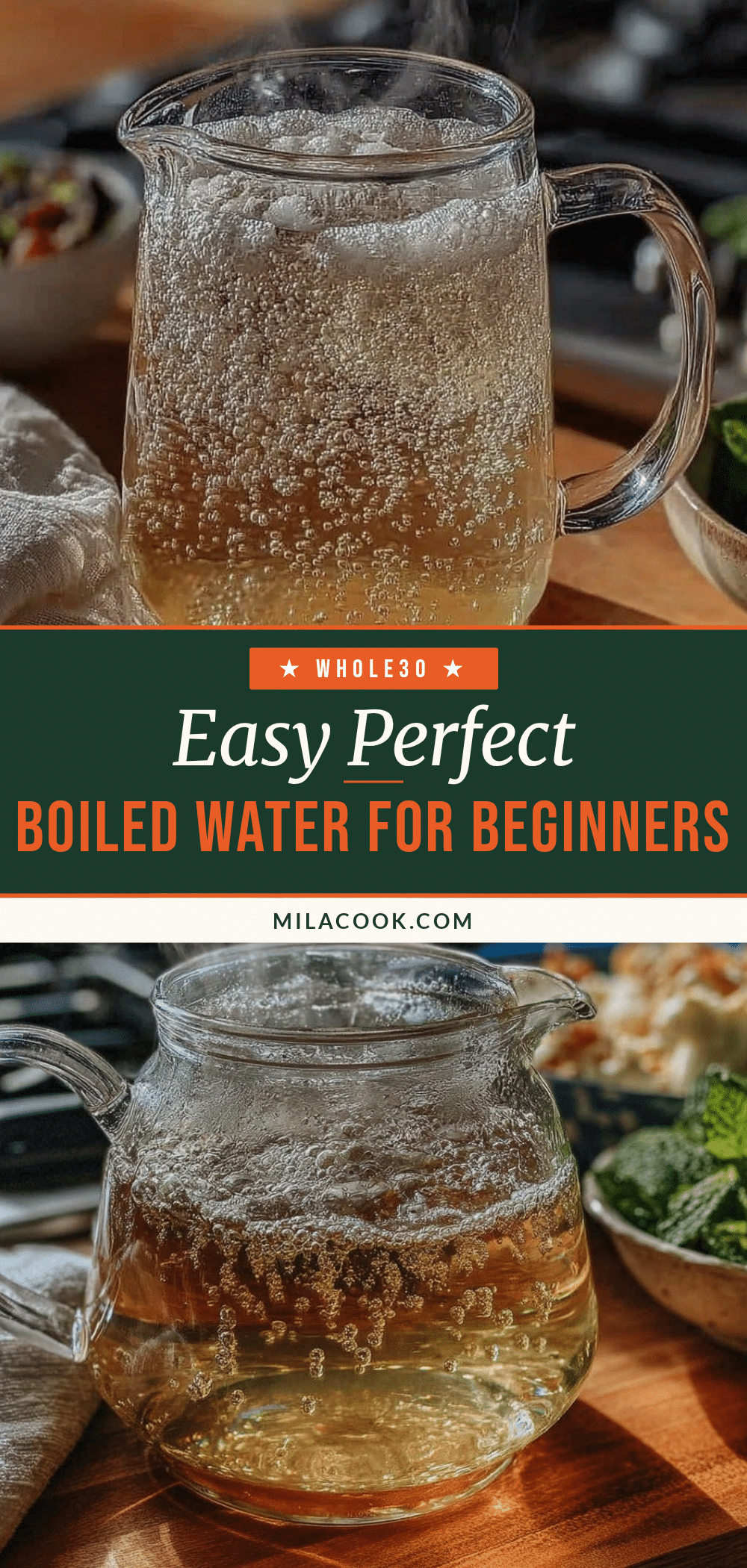
Easy How to Boil Water for Beginners Step-by-Step Guide 101
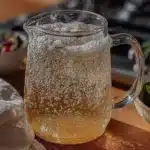
A simple, straightforward guide designed for beginners to master the essential kitchen skill of boiling water efficiently and safely.
- Prep Time: 1 minute
- Cook Time: 5 to 10 minutes
- Total Time: 6 to 11 minutes
- Yield: Varies (depends on amount of water boiled)
- Category: Basic Cooking Skill
- Cuisine: Universal
Ingredients
- Water (fresh, clean)
- Optional: pinch of salt
Instructions
- Fill your pot with cold water, usually about 4 cups (1 liter). Avoid overfilling to prevent spills.
- Place the pot on the stove burner and turn the heat to high. If using an electric kettle, fill and switch it on.
- Cover the pot with a lid to trap heat and speed up boiling. If no lid is available, boiling will take longer.
- Watch the water carefully. Small bubbles will form at the bottom first, then rise to the surface. When you see a rolling boil with big bubbles breaking the surface continuously, the water is boiling.
- Turn off the heat immediately to save energy and prevent overboiling.
- Use the boiling water immediately or let it cool slightly depending on your recipe.
Notes
Use cold water for better taste and safety. Cover the pot to speed boiling. Avoid overfilling to prevent spills. Watch the pot closely to avoid overflow. Use pot holders to handle hot equipment safely. Electric kettles boil water faster and are convenient. For small amounts, microwave-safe containers can be used with caution to avoid superheating.
Nutrition
- Serving Size: Depends on amount of
Keywords: boil water, how to boil water, beginner cooking, kitchen basics, boiling water guide, cooking tips