Love this? Save it for later!
Share the inspiration with your friends
“Why does this taste so bland?” I muttered one Saturday afternoon while juggling a pot on the stove and a toddler demanding my attention. Honestly, I thought seasoning was just sprinkling some salt and pepper and calling it a day. But that day, with a half-cooked chicken and a kitchen that looked like a tornado hit it, I realized there’s an art—and a bit of science—to seasoning food, especially with the basics: salt and pepper.
It wasn’t in a fancy cooking class or a chef’s kitchen. Nope, it happened during a chaotic dinner attempt when I was trying to impress a friend who casually mentioned, “You know, seasoning can make or break a dish.” I laughed it off until I tasted my own creation—bland, forgettable, and honestly disappointing. From that moment on, I took it upon myself to master how to season food properly, starting with the simplest duo: salt and pepper.
Maybe you’ve been there too—staring at your food, wondering if it needs more flavor but unsure how much is “just right.” Let me tell you, seasoning isn’t a mystery guarded by professional chefs. It’s a skill anyone can learn, and it starts with confidence, a pinch of patience, and knowing when and how to add salt and pepper to bring your dishes from meh to memorable. This easy guide for beginners will help you do just that, so your cooking can finally taste as good as it smells.
Why You’ll Love This Recipe
Seasoning food with salt and pepper might sound simple, but trust me, getting it right can transform your entire cooking game. After testing countless meals and tweaking my timing and technique, I can confidently say this guide is a beginner’s best friend. Here’s why you’ll appreciate it:
- Quick & Easy: You can master seasoning basics in under 10 minutes, perfect when you want great flavor without fuss.
- Simple Ingredients: Salt and pepper are pantry staples—no need for fancy spices or exotic blends to make your food sing.
- Perfect for Everyday Cooking: Whether you’re making scrambled eggs, roasting veggies, or grilling chicken, this seasoning method fits all.
- Crowd-Pleaser: Friends and family often ask what secret ingredient I used—and it’s just salt and pepper, applied smartly.
- Unbelievably Delicious: The right seasoning highlights natural flavors, making every bite satisfying and balanced.
What sets this guide apart? It’s not just about dumping salt and pepper on food. It’s about understanding when to season (before, during, or after cooking), how much to use without going overboard, and how different kinds of salt and pepper can subtly change your dish’s character. If you want to feel confident instead of guessing, this is the simple road map that I wish I’d had from the start.
What Ingredients You Will Need
This guide focuses on two straightforward ingredients that form the backbone of seasoning: salt and pepper. These humble essentials play different roles but together bring harmony to your dishes. Here’s what you’ll want to have on hand:
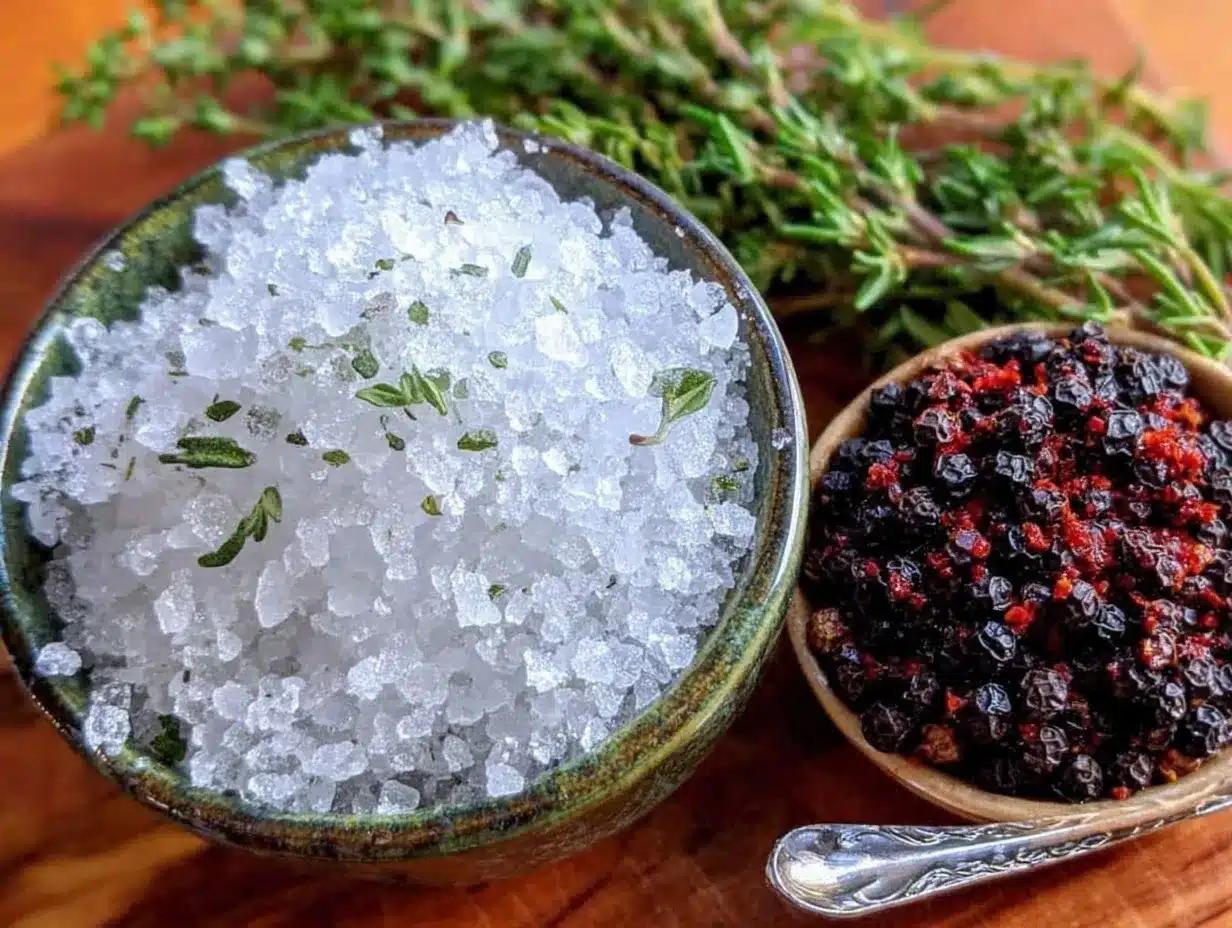
- Salt: Use kosher salt for most cooking—it’s easier to pinch and season evenly. I usually keep Diamond Crystal on my shelf because it dissolves nicely and tastes clean.
- Salt alternative: Sea salt flakes can be sprinkled at the end for a crunchy texture. Avoid table salt for cooking; it’s too fine and salty.
- Pepper: Freshly cracked black pepper is best. Whole peppercorns and a grinder let you control the coarseness, which impacts the flavor release.
- Ground pepper: Use only if you don’t have a grinder, but freshness diminishes quickly once ground.
- Optional: White pepper for lighter-colored dishes if you want seasoning without the black specks.
Keep in mind, salt is your flavor enhancer, while pepper adds a mild heat and complexity. Both are easy to swap or adjust based on dietary needs or taste—like using Himalayan pink salt or adding a pinch of smoked pepper for a twist.
Equipment Needed
Seasoning food with salt and pepper doesn’t demand much, but here are a few tools that make the process smoother and more enjoyable:
- Salt cellar or small bowl: Keeps your salt within easy reach for pinching or spooning, rather than fumbling with the shaker.
- Pepper grinder: Essential for freshly cracked pepper. I’ve tried electric grinders, but a simple manual one works just fine—and lasts longer.
- Measuring spoons: Handy for beginners who want to start with precise amounts before trusting their instincts.
- Mixing bowls: For seasoning ingredients before cooking, especially when marinating.
- Cooking utensil (spoon or tongs): To toss and evenly distribute seasoning during cooking.
If you’re on a budget, a basic pepper mill and a small open salt container will do the trick. I’ve found that investing in a decent grinder makes a big difference in flavor release—worth every penny in my experience!
Preparation Method
- Start with clean, dry food: Whether it’s meat, vegetables, or tofu, pat it dry with paper towels. Moisture blocks salt and pepper from sticking properly, and you want that seasoning to cling and work its magic.
- Season before cooking: Sprinkle kosher salt evenly over the surface—about ½ teaspoon (3 grams) per pound (450 grams) of food is a good starting point. For pepper, add freshly cracked black pepper to taste, usually about ¼ teaspoon (1 gram) per pound.
- Use your hands: Gently rub or toss the seasoning onto the food to coat evenly. This tactile step helps you feel how much salt is going on—too much will feel gritty.
- Let it rest a bit: If time allows, let the seasoned food sit for 10-15 minutes before cooking. This helps the salt penetrate and improves overall flavor depth.
- Adjust during cooking: Taste as you go if possible. For soups or sauces, add salt and pepper in small increments, stirring well and tasting between additions.
- Season after cooking if needed: Sometimes a dish needs a finishing touch. A light sprinkle of flaky sea salt or a few cracks of pepper just before serving can brighten flavors.
- Keep notes: When trying this method for the first time, jot down how much salt and pepper you used and any flavor changes. This helps you learn your personal preference and adjust over time.
Quick tip: When seasoning meat like steak or chicken, seasoning just before cooking works best to keep the surface dry and create a nice crust. For vegetables, seasoning early helps draw out moisture and caramelize better.
Cooking Tips & Techniques
Seasoning food well is about balance and timing, and I’ve learned a few things the hard way:
- Don’t over-salt early: Salt draws moisture, so if you season too early, some foods can become watery. For delicate veggies, add salt just before cooking.
- Crack pepper fresh: Pre-ground pepper loses its punch quickly. Freshly cracked black pepper adds aroma and a mild heat that really wakes up a dish.
- Taste often: The best cooks taste through every stage. Trust your palate, not just measurements.
- Use coarse salt for texture: Kosher or sea salt flakes give a nice crunch and aren’t overwhelmingly salty.
- When in doubt, less is more: You can always add more salt and pepper, but you can’t take it away once it’s in.
- Multitask seasoning: While food rests or cooks, clean up and prep seasoning for the next step. It saves time and keeps you focused.
I once ruined a pot roast by dumping in too much salt at the start (rookie mistake), so now I season gradually and taste before each addition. It’s a game-changer—no more over-salted disasters!
Variations & Adaptations
Salt and pepper might be simple, but you can tweak this seasoning method to suit your preferences or dietary needs:
- Low-sodium option: Use less salt and boost flavor with herbs like rosemary or thyme alongside pepper.
- Spicy twist: Add a pinch of crushed red pepper flakes or smoked paprika with black pepper for heat and smokiness.
- Seasoning blends: Mix kosher salt, black pepper, garlic powder, and onion powder for a quick all-purpose seasoning.
- Substitute white pepper: For pale sauces or mashed potatoes, white pepper keeps the look clean without compromising flavor.
- Try flavored salts: Lemon or truffle-infused salts can add a gourmet touch to simple meals without extra fuss.
My personal favorite is mixing kosher salt with a bit of smoked sea salt and freshly cracked pepper when making roasted potatoes—adds a subtle complexity that’s irresistible.
Serving & Storage Suggestions
Seasoning properly is only half the journey; presenting and storing your food thoughtfully completes the experience:
- Serve at the right temperature: Warm dishes benefit from a final sprinkle of flaky salt just before serving to keep texture and flavor vibrant.
- Complement with sides: Simple seasoning pairs well with roasted vegetables, fresh salads, or crusty bread to balance the meal.
- Storage: For leftovers, store food in airtight containers in the refrigerator. Avoid adding extra salt before reheating to prevent over-seasoning.
- Reheating tips: Gently reheat on the stove or microwave and taste before adding any more seasoning. Sometimes a squeeze of lemon or fresh herbs can brighten reheated food.
- Flavor develops over time: Some dishes, like soups or stews, taste even better the next day after salt and pepper have melded deeply.
Nutritional Information & Benefits
Salt and pepper are fundamental seasonings with minimal calories but significant impact on flavor. Here’s a quick overview:
- Salt: Provides essential sodium, which helps maintain fluid balance and nerve function. Use in moderation to avoid excess sodium intake.
- Pepper: Contains antioxidants and piperine, which may aid digestion and have anti-inflammatory properties.
- Dietary considerations: This seasoning method is naturally gluten-free, low-carb, and fits most diets.
- Allergens: Salt and pepper are free from common allergens but check for cross-contamination in some pre-ground blends.
From a wellness perspective, seasoning with salt and pepper allows you to enhance natural food flavors without added sugars or heavy sauces, supporting a cleaner, more mindful eating habit.
Conclusion
Mastering how to season food with salt and pepper is a game-changer in the kitchen. It’s simple, approachable, and surprisingly rewarding once you get the hang of the timing and amounts. I encourage you to experiment gently, trust your taste buds, and make this seasoning method your own.
For me, seasoning is where cooking stops being a chore and starts feeling like creating. This guide helped me find that sweet spot between bland and overdone, and I’m confident it will help you too. So grab your salt cellar and pepper grinder, and let your food shine!
I’d love to hear how you season your dishes—drop a comment or share your personal twists. Cooking is better when we learn from each other, one pinch at a time.
FAQs
How much salt should I use when seasoning food for the first time?
A good rule of thumb is about ½ teaspoon (3 grams) of kosher salt per pound (450 grams) of food. Start with less—you can always add more later!
When should I add pepper during cooking?
For the best flavor, add freshly cracked pepper before and/or after cooking. Adding during cooking mellows its heat, while finishing with pepper adds a fresh kick.
Can I use table salt instead of kosher salt?
Table salt is much finer and saltier by volume, so if you substitute, use about half the amount and adjust to taste.
Is it okay to season food only after cooking?
Seasoning after cooking works for some dishes, but adding salt before or during cooking helps flavors develop more fully.
How do I know if I’ve added too much salt?
Taste your food as you season. If it tastes overwhelmingly salty or bitter, try balancing with acidity (like lemon juice) or diluting with more ingredients if possible.
By learning these basics, you’re well on your way to making every meal more delicious with just salt and pepper!
By the way, if you enjoy simple seasoning techniques, you might appreciate the way seasoning transforms classic dishes like crispy garlic chicken or the subtle flavors in herb roasted vegetables. Sometimes, it’s those little seasoning touches that bring everything together.
Pin This Recipe!
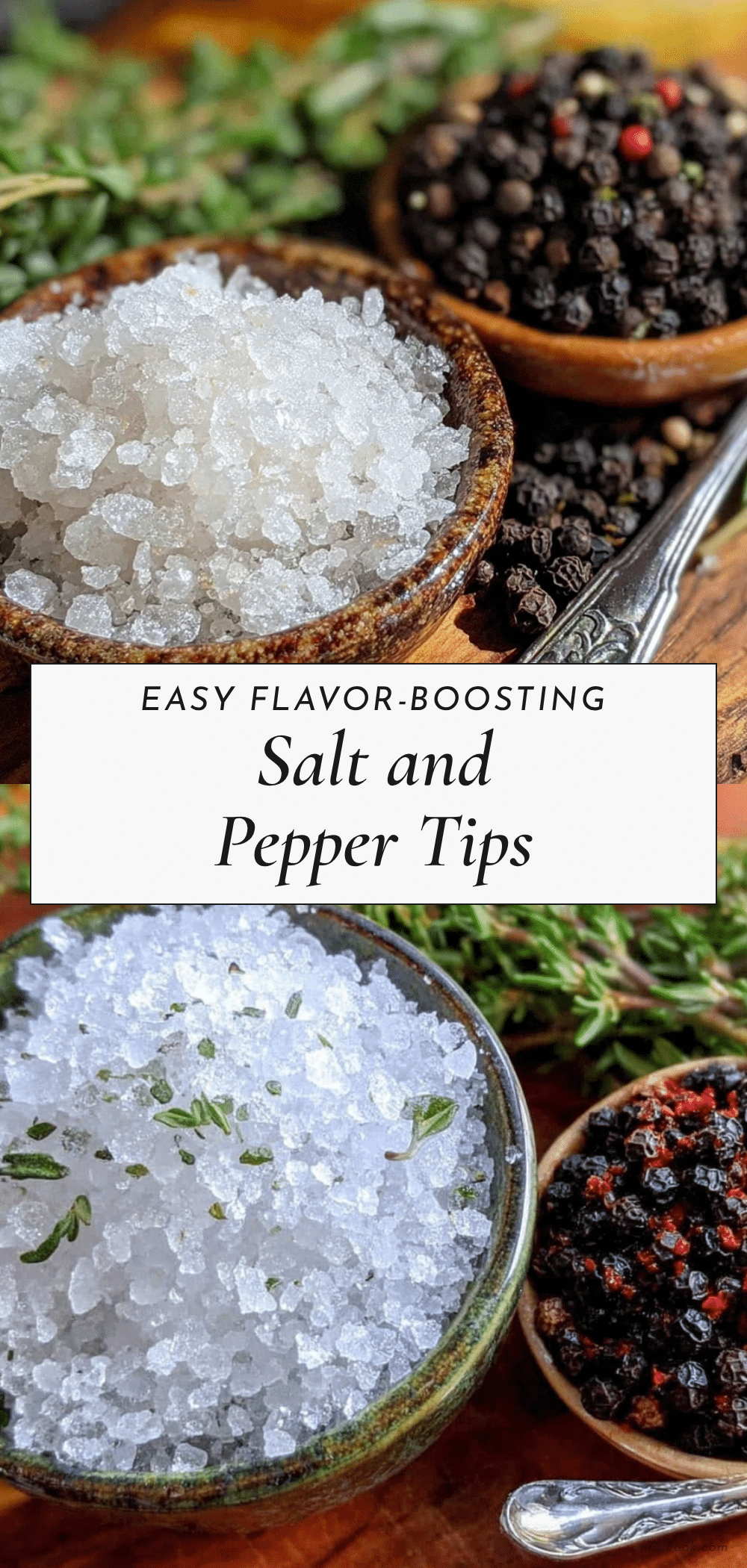
Easy How to Season Food for Beginners with Salt and Pepper Guide
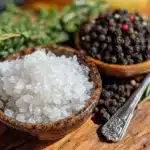
A beginner-friendly guide to mastering the art of seasoning food with salt and pepper, enhancing natural flavors with simple techniques and timing.
- Prep Time: 5 minutes
- Cook Time: Varies depending on dish
- Total Time: 5 minutes plus cooking time
- Yield: Varies depending on recipe
- Category: Cooking Technique
- Cuisine: Universal
Ingredients
- Kosher salt (about ½ teaspoon per pound of food)
- Freshly cracked black pepper (about ¼ teaspoon per pound of food)
- Sea salt flakes (optional, for finishing)
- White pepper (optional, for lighter-colored dishes)
Instructions
- Start with clean, dry food by patting it dry with paper towels to help seasoning stick.
- Season before cooking by sprinkling kosher salt evenly over the surface (about ½ teaspoon per pound) and freshly cracked black pepper to taste (about ¼ teaspoon per pound).
- Use your hands to gently rub or toss the seasoning onto the food to coat evenly.
- Let the seasoned food rest for 10-15 minutes if time allows to help salt penetrate and improve flavor depth.
- Adjust seasoning during cooking by tasting and adding salt and pepper in small increments as needed.
- Season after cooking if needed with a light sprinkle of flaky sea salt or a few cracks of pepper just before serving.
- Keep notes on seasoning amounts and flavor changes to learn your personal preference.
Notes
Use kosher salt for easier pinching and even seasoning; freshly cracked black pepper provides better flavor than pre-ground. Letting food rest after seasoning helps salt penetrate. Taste often and add seasoning gradually to avoid over-salting. For delicate vegetables, add salt just before cooking to avoid excess moisture.
Nutrition
- Serving Size: Depends on the dish
Keywords: seasoning, salt, pepper, cooking basics, beginner cooking, flavor enhancement, kosher salt, black pepper, cooking tips