Love this? Save it for later!
Share the inspiration with your friends
Introduction
“You know, I never thought boiling pasta could be so… complicated,” I confessed to Jamie, my downstairs neighbor, while we waited for the water to bubble. It was a chilly Thursday evening, and I was determined to get this pasta thing right once and for all. Jamie, who usually kept to herself, surprised me by sharing her no-fail method—something she learned while working in a tiny Italian trattoria in Rome years ago. Honestly, I didn’t expect a casual chat over a cracked ceramic bowl would change how I think about cooking pasta forever.
Let me tell you, pasta is deceptively simple. Maybe you’ve been there, staring at a pot of water, wondering if the noodles should be al dente or just plain soft, or if you should salt the water before or after it boils. I’d made every mistake in the book—sticky clumps, mushy strands, flavorless bites. That night, Jamie’s tips turned my kitchen chaos into a smooth, satisfying ritual. This recipe isn’t just about boiling noodles; it’s about getting that perfect texture and flavor every time you cook pasta, no matter your skill level.
So, whether you’re a total beginner or someone who’s struggled with pasta disasters before, stick around. I’m sharing the step-by-step guide that worked for me and countless other beginners, making pasta night something to look forward to—not dread.
Why You’ll Love This Recipe
After testing this perfect how to cook pasta for beginners recipe multiple times (and yes, burning a few batches along the way), I can honestly say it’s a game-changer. Here’s why it stands out:
- Quick & Easy: From start to finish, it takes less than 15 minutes—ideal for busy weeknights or unexpected guests.
- Simple Ingredients: You probably have everything in your pantry already—just pasta, water, salt, and a splash of olive oil if you like.
- Perfect for Any Occasion: Whether it’s a casual dinner or a cozy date night, this method delivers reliable results.
- Crowd-Pleaser: I’ve had both kids and grown-ups ask for seconds, which isn’t always easy to pull off with pasta!
- Unbelievably Delicious: The texture is spot-on—tender but with just enough bite, and the salted water brings out the best flavor.
What sets this apart is the careful balance of technique and timing. Jamie showed me why tossing the noodles gently, salting the water like the sea, and even how to taste-test correctly can make all the difference. This isn’t just another pasta recipe; it’s the kind that makes you close your eyes after the first bite, savoring that perfect al dente harmony. Honestly, it’s comfort food at its simplest, and that’s why it keeps finding its way into my kitchen.
What Ingredients You Will Need
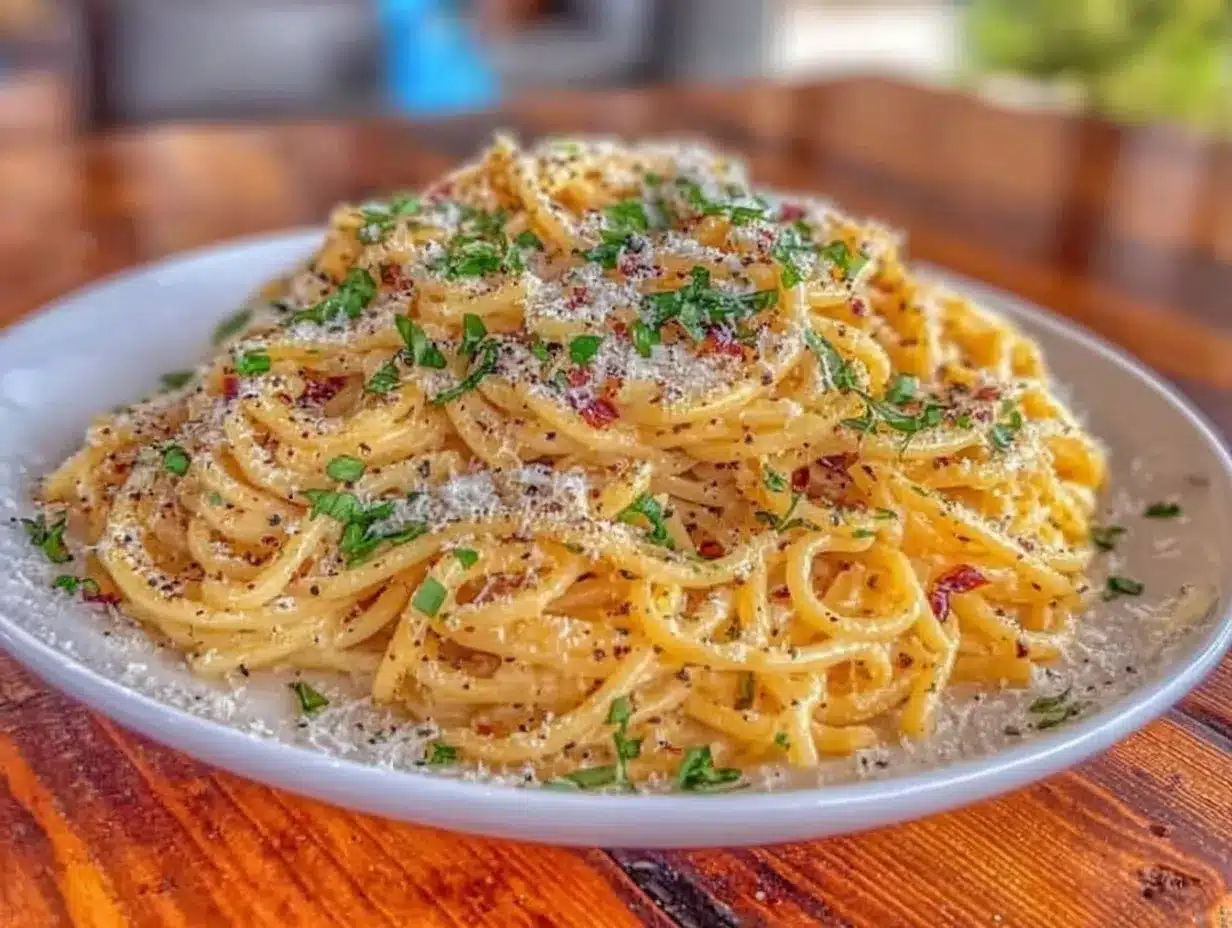
This perfect how to cook pasta for beginners recipe uses straightforward ingredients that come together to create a truly satisfying dish. They’re pantry staples, easy to find, and versatile enough for any pasta shape you prefer.
- Pasta: 8 ounces (225 grams) of your favorite dry pasta (spaghetti, penne, fusilli, or farfalle). I usually grab De Cecco or Barilla for consistent quality.
- Water: About 4-6 quarts (4-6 liters) for boiling. Using plenty of water helps prevent sticking and cooks the pasta evenly.
- Salt: 1-2 tablespoons coarse kosher salt or sea salt (not table salt). It seasons the pasta from within and enhances the flavor.
- Olive oil (optional): 1 tablespoon extra virgin olive oil. Some swear by adding it to the water to prevent sticking, but I’ve found it’s better saved for finishing the dish.
If you want to get creative, here are a few ingredient notes:
- Gluten-Free Option: Swap regular pasta for a gluten-free variety like rice or corn pasta. Cooking times may vary slightly.
- Herbs or spices: Toss in a bay leaf or a clove of garlic to the boiling water for subtle flavor infusion.
- Salt alternatives: If sodium is a concern, reduce salt but remember it impacts flavor significantly.
Keep in mind, the quality of your pasta and salt makes a difference. I recommend using coarse sea salt for that authentic taste, and if you can find good artisanal pasta, it’s worth the little splurge. But honestly, this recipe shines even with basic ingredients, so no stress if you’re shopping on a budget.
Equipment Needed
Cooking pasta perfectly doesn’t require fancy gadgets—just a few kitchen staples that you likely already own:
- Large pot: Choose a pot with at least 5-quart (4.7-liter) capacity to give the pasta enough room to cook evenly without sticking.
- Colander or strainer: For draining the pasta quickly and safely. I prefer a stainless steel colander for durability.
- Wooden spoon or pasta fork: For stirring gently to prevent clumping without breaking delicate noodles.
- Measuring spoons: To measure salt precisely—too little or too much can throw off the flavor.
- Timer or watch: Timing is everything, so keep a close eye on the clock (or your phone timer).
If you don’t have a colander, you can carefully drain pasta with a slotted spoon or even tip the pot, but be cautious with hot water. For budget-friendly options, any large pot and a fine mesh sieve work just fine. Keeping your equipment clean and rust-free is key—trust me, a grimy colander can ruin the experience.
Preparation Method
- Fill your pot with water: Pour 4-6 quarts (4-6 liters) of cold water into your large pot. Use more water for longer pasta shapes like spaghetti to keep noodles from sticking. This usually takes about 2-3 minutes.
- Bring water to a rolling boil: Place the pot on high heat and wait until the water is vigorously boiling. You’ll see big bubbles breaking the surface. This step can take 7-10 minutes depending on your stove.
- Salt the water: Add 1-2 tablespoons of coarse salt once the water boils. Think of it as seasoning the pasta itself. Jamie told me to salt like the sea, and that stuck with me. Stir briefly to dissolve.
- Add the pasta: Gently slide 8 ounces (225 grams) of dry pasta into the water. Use a wooden spoon or pasta fork to stir immediately for about 15 seconds to prevent sticking.
- Cook uncovered: Keep the water at a rolling boil, stirring occasionally. Set a timer for the package’s recommended cooking time minus 1-2 minutes for al dente texture. For example, if the package says 10 minutes, check at 8.
- Test for doneness: About 1-2 minutes before the lowest cooking time, pull out a strand and bite into it. It should be tender but still firm to the bite—al dente. If it’s too firm, let it cook another 30 seconds and test again.
- Reserve pasta water: Before draining, scoop out ½ cup (120 ml) of starchy cooking water. This is a secret weapon for finishing your sauce later.
- Drain the pasta: Pour through a colander to drain. Avoid rinsing unless you’re making a cold pasta salad, as rinsing washes away the seasoning and starch that help sauce cling.
- Finish with sauce or olive oil: Toss pasta immediately with your favorite sauce or a drizzle of olive oil to keep it from sticking. Use some reserved pasta water to loosen sauce if needed.
One time, I forgot to stir right after adding the pasta and ended up with a giant sticky clump. Lesson learned: stirring early is non-negotiable! Also, Jamie reminded me that keeping the boil steady but not overly furious helps prevent boiling over—a small kitchen mess I’ve witnessed too often.
Cooking Tips & Techniques
Getting perfect pasta isn’t just about throwing noodles in boiling water. Here are some tips that made a huge difference for me:
- Use plenty of water: Crowded pots lead to sticky pasta. Big pots and lots of water give pasta room to move and cook evenly.
- Salt well: Undersalted water produces bland pasta. Taste the water before adding pasta—it should taste like the sea.
- Don’t add oil to boiling water: It sounds counterintuitive, but oil can make noodles slippery, preventing sauce from sticking. Instead, add oil after draining if you want.
- Stir early and often: Especially in the first two minutes to avoid clumping or sticking.
- Test frequently: Pasta cooks fast. Taste-testing ensures you don’t overcook and get mushy noodles.
- Reserve pasta water: The starchiness helps bind sauces beautifully—don’t skip this trick!
Honestly, I was surprised how much timing affected texture. One batch I overcooked by a minute and it was a total flop. Now, I set my phone timer and keep an eye on the clock. Multitasking in the kitchen is fine, but pasta needs attention!
Variations & Adaptations
This perfect how to cook pasta for beginners approach is flexible and adapts well to your tastes and dietary needs.
- Vegetable-infused pasta: Try cooking noodles with a bay leaf or garlic clove to subtly infuse flavor into the pasta itself.
- Gluten-free pasta: Use gluten-free pasta made from rice, corn, or quinoa. Cooking times and water amounts may vary, so check package instructions closely.
- Whole wheat or protein-enriched pasta: These types require slightly longer cooking times and benefit from the same stirring and tasting technique.
- Cold pasta salad: If making a salad, rinse pasta under cold water after draining to stop cooking and cool it quickly.
- One-pot pasta method: For an ultra-easy dinner, try cooking pasta directly in sauce with broth—just adjust liquid quantities. I tried this once on a lazy Sunday and it was surprisingly tasty!
Serving & Storage Suggestions
Serve your perfectly cooked pasta hot with your favorite sauce or a simple drizzle of olive oil and freshly grated Parmesan. For a rustic touch, finish with fresh herbs like basil or parsley. Pair with a crisp salad or a glass of red wine for a satisfying meal.
If you have leftovers, store them in an airtight container in the refrigerator for up to 3 days. Reheat gently in a skillet with a splash of water or sauce to bring back moisture and prevent drying out. Avoid microwaving straight from the fridge as it can make pasta rubbery.
Flavors often deepen after sitting, so cold pasta dishes like salads can taste even better the next day. Just toss with a little extra dressing before serving.
Nutritional Information & Benefits
A typical 8-ounce (225-gram) serving of cooked pasta provides around 350-400 calories, with about 13-15 grams of protein and 2-3 grams of fat, depending on the type of pasta used. It’s a good source of complex carbohydrates, offering steady energy release.
Using whole wheat or protein-enriched pasta can boost fiber and nutrient content. Salted cooking water adds sodium, so keep an eye on overall intake if you’re watching salt levels. This recipe is naturally gluten-free if you choose the right pasta and contains no added sugars or preservatives.
From my experience, cooking pasta correctly makes it easier to digest and enjoy. Plus, when paired with veggies, lean proteins, or healthy fats, it becomes a balanced, comforting meal.
Conclusion
Honestly, mastering the perfect how to cook pasta for beginners recipe changed my kitchen game. It’s straightforward, forgiving, and reliable—qualities every beginner chef needs. Whether you’re cooking for one or feeding a family, this method makes pasta night something you can count on.
Feel free to tweak the saltiness, pasta shape, or cooking time to suit your preferences. The key is paying attention to those little details—boiling water, salting like the sea, gentle stirring, and timely tasting.
I love this recipe because it turns a simple pantry staple into a comforting, satisfying meal every single time. If you try it, I’d love to hear how it went for you—drop a comment or share your own pasta stories. Here’s to many delicious pasta nights ahead!
Frequently Asked Questions
How much salt should I add to pasta water?
About 1-2 tablespoons of coarse salt for every 4-6 quarts (4-6 liters) of water. It should make the water taste like the sea but not overly salty.
Should I add oil to pasta water to prevent sticking?
It’s better not to add oil to the boiling water. Instead, stir the pasta occasionally and add oil after draining, if desired.
How do I know when pasta is perfectly cooked?
Test by biting a piece a minute or two before the package time ends. It should be tender but still firm to the bite (al dente).
Can I cook pasta ahead of time?
You can cook pasta in advance but avoid overcooking. Toss it with a little oil and store in the fridge. Reheat gently with sauce before serving.
What if my pasta sticks together after cooking?
Make sure to use plenty of water, stir early during cooking, and avoid rinsing unless making a cold pasta salad. Tossing with sauce or oil right after draining also helps.
Pin This Recipe!
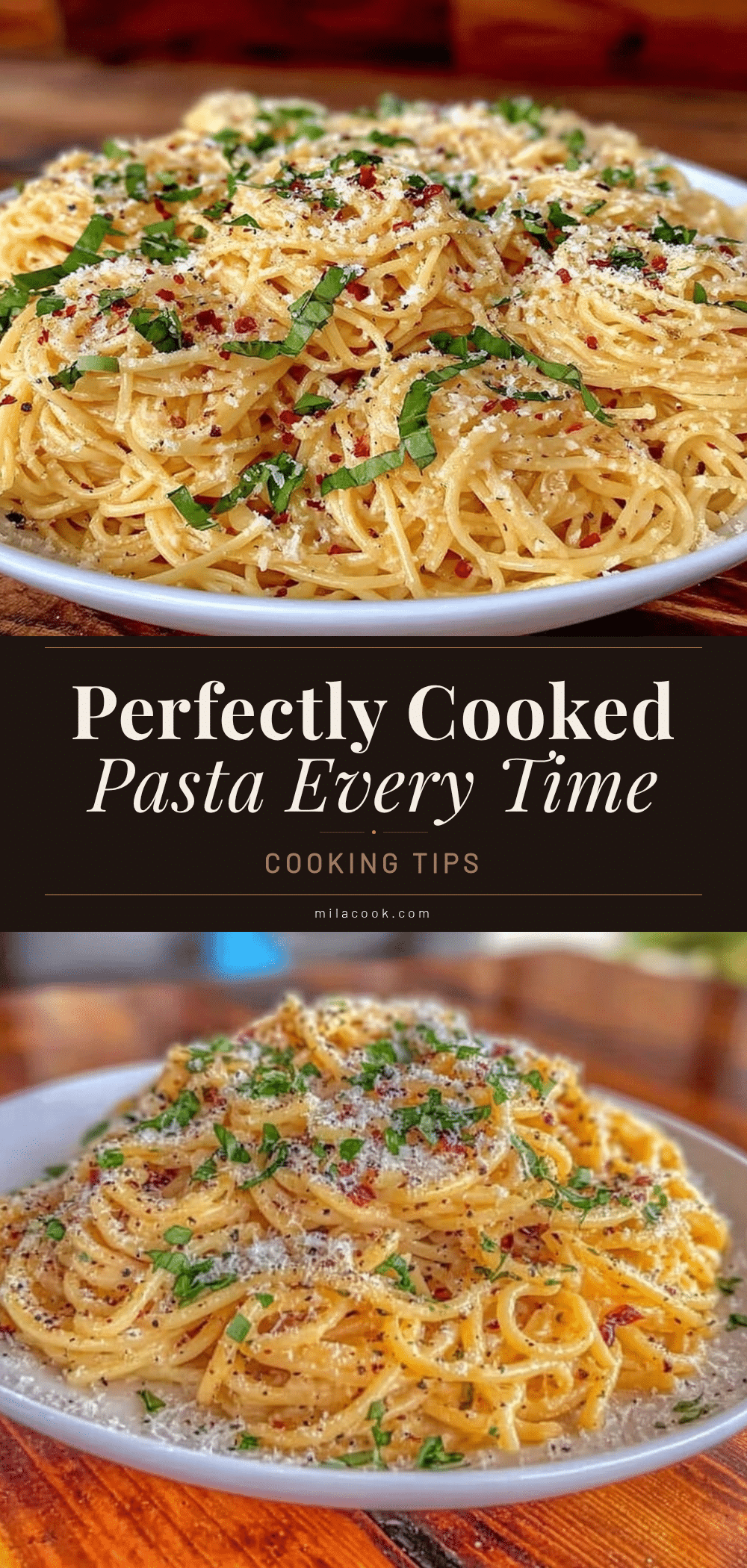
Perfect How to Cook Pasta for Beginners Easy Step-by-Step Guide
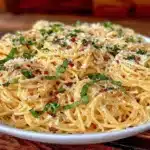
A straightforward, foolproof method to cook pasta perfectly every time, ideal for beginners and busy weeknights. This guide ensures tender, al dente pasta with simple ingredients and easy steps.
- Prep Time: 5 minutes
- Cook Time: 10 minutes
- Total Time: 15 minutes
- Yield: 2 servings 1x
- Category: Main Course
- Cuisine: Italian
Ingredients
- 8 ounces (225 grams) dry pasta (spaghetti, penne, fusilli, or farfalle)
- 4–6 quarts (4–6 liters) water
- 1–2 tablespoons coarse kosher salt or sea salt
- 1 tablespoon extra virgin olive oil (optional)
Instructions
- Fill your pot with 4-6 quarts (4-6 liters) of cold water. Use more water for longer pasta shapes like spaghetti to prevent sticking. This takes about 2-3 minutes.
- Bring water to a rolling boil over high heat, about 7-10 minutes depending on your stove.
- Add 1-2 tablespoons of coarse salt once the water boils. Stir briefly to dissolve.
- Gently slide 8 ounces (225 grams) of dry pasta into the boiling water. Stir immediately for about 15 seconds to prevent sticking.
- Cook uncovered at a rolling boil, stirring occasionally. Set a timer for the package’s recommended cooking time minus 1-2 minutes for al dente texture.
- About 1-2 minutes before the lowest cooking time, test pasta by biting a strand. It should be tender but firm (al dente). If too firm, cook another 30 seconds and test again.
- Reserve ½ cup (120 ml) of starchy pasta water before draining.
- Drain pasta using a colander. Avoid rinsing unless making a cold pasta salad.
- Toss pasta immediately with your favorite sauce or a drizzle of olive oil. Use reserved pasta water to loosen sauce if needed.
Notes
Use plenty of water to prevent sticking. Salt the water like the sea for best flavor. Do not add oil to boiling water; add olive oil after draining if desired. Stir pasta immediately after adding to water and test frequently for doneness. Reserve pasta water to help sauce cling better.
Nutrition
- Serving Size: 1 cup cooked pasta
- Calories: 375
- Sugar: 2
- Sodium: 600
- Fat: 3
- Saturated Fat: 0.5
- Carbohydrates: 75
- Fiber: 3
- Protein: 14
Keywords: pasta, how to cook pasta, beginner pasta recipe, al dente pasta, easy pasta cooking, pasta tips, cooking pasta perfectly